Foco vs Trello 2026: The Best Trello Alternative for Freelancers with Multiple Clients (and How to Centralize Tasks Without Fragmentation)
Detailed comparison between Foco and Trello for freelancers managing multiple clients. Discover why Foco centralizes tasks from emails, GitHub, or Jira without data migration, while Trello requires manual integrations or third-party plugins.
Managing multiple clients as a freelancer demands a system that avoids fragmentation: having one board per project isn’t enough when tasks arrive from emails, GitHub issues, Jira tickets, or Notion messages. This is where the best Trello alternative for freelancers with multiple clients must go beyond traditional boards. Trello is a solid tool for teams working on a single project, but its per-workspace subscription model and free plan limits (10 boards and 10 collaborators per space) make it expensive and rigid when handling multiple jobs simultaneously. Foco, on the other hand, is built from the ground up to centralize tasks from multiple sources without data migration, integrating tools like GitHub, Jira, or email into one place, with a fixed price per user and no reliance on external plugins.

1. Task Centralization: Why Foco Eliminates Fragmentation (and Trello Multiplies It)
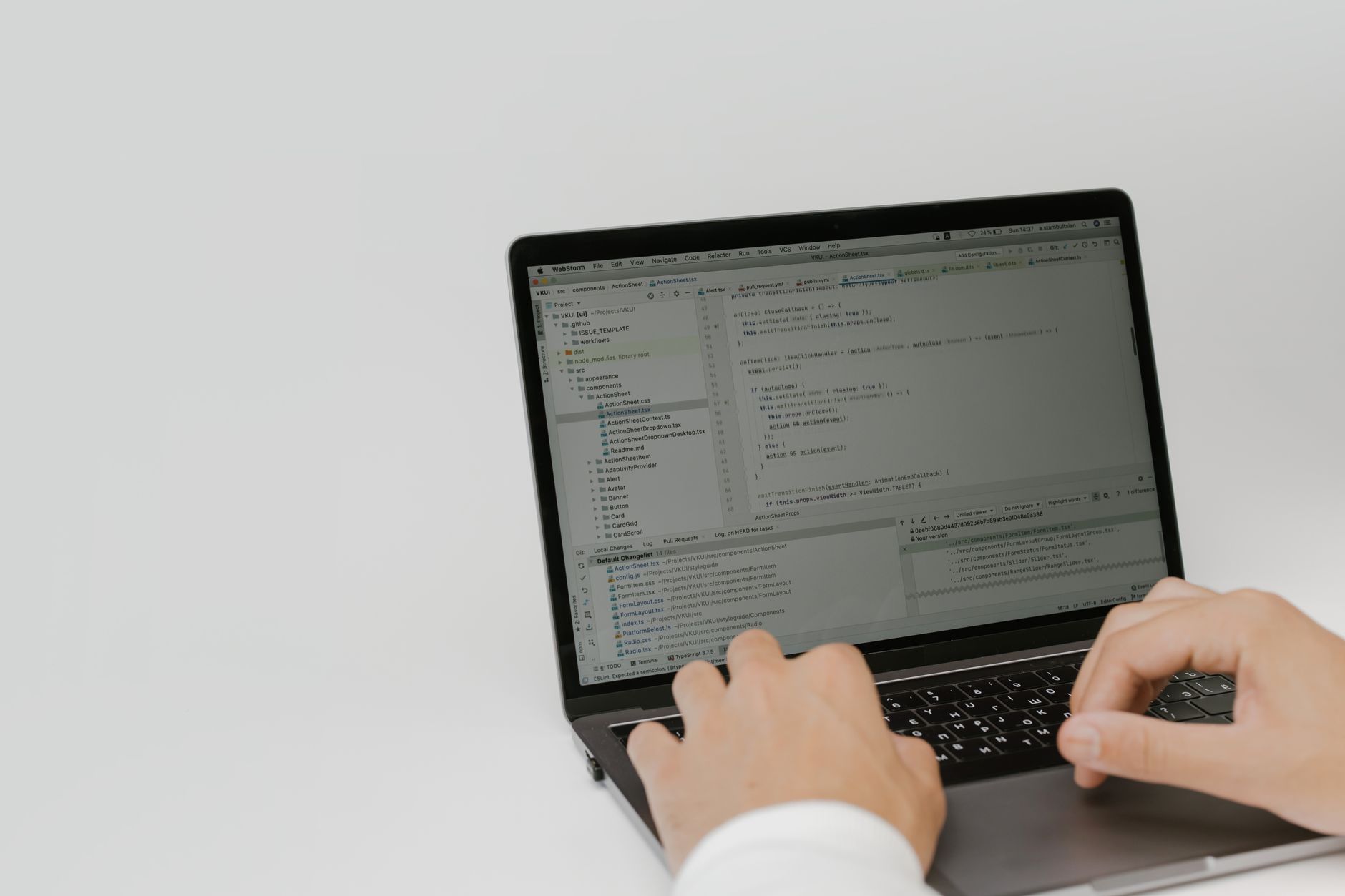
The main difference between both tools lies in how they handle tasks from multiple sources. Trello requires each client or project to have its own board, and if tasks come from external tools (like a GitHub issue or an important email), you must copy them manually or set up integrations with Power-Ups (many of which are paid). This not only consumes time but also fragments information: a freelancer working with 5 clients may end up with 5 Trello boards, each with its own rules, labels, and automations, making it difficult to have a global view.
Foco solves this with its Copilot, available in the Plus plan (20 €/month). You connect your Notion, Linear, GitHub, Jira, or Asana accounts via OAuth, and Foco automatically brings in tasks assigned to you as native items in the app. You don’t need to migrate data or duplicate information: each task appears on the board with its original context (for example, a GitHub issue is displayed with its title, repository link, and due date). Additionally, you can choose whether these tasks are assigned to a specific work container (like "Client X - Development") or if Foco’s AI decides the container automatically based on the content. This is key for freelancers: instead of jumping between tools, you see everything in one place, with the work’s color for instant identification.
1.1. Practical Example: How a Freelancer Manages a GitHub Issue in Trello vs Foco
In Trello: You receive a GitHub notification about an issue assigned to you. To add it to your workflow, you must: 1) Open the issue in GitHub, 2) Copy the link or details, 3) Go to Trello, 4) Manually create a card in the client’s board, 5) Paste the information, and 6) Set a label or due date if needed. If you use a Power-Up like GitHub for Trello, the process is simplified, but it still requires manual steps and, in many cases, a paid plan (advanced Power-Ups are often limited in the free plan).
In Foco: You connect your GitHub account once in the Copilot settings. When an issue is assigned to you, Foco automatically detects it and creates it as a task in the work container you’ve configured (or a new one if using the Automatic option). The task includes: the issue title, a direct link to the repository, the due date (if any), the priority (if marked in GitHub), and the original issue attached as a note. There are no intermediate steps: the task appears on your board with the work’s color, ready to prioritize or schedule. If you mark the task as done in Foco, you can enable the complete also in the source option to automatically close the issue in GitHub, avoiding duplicate work.
Fragmentation isn’t just a tool problem; it’s an attention problem. Every time you switch boards or apps to see a task, you lose time and context. Foco eliminates that jump, while Trello assumes it as part of the workflow.
2. Pricing and Scalability: Why Trello Becomes Expensive for Freelancers with Multiple Clients
Trello’s pricing (verified as of July 2026) is designed for teams working in a single workspace, not for freelancers managing multiple clients. The free plan limits you to 10 boards and 10 collaborators per workspace, meaning if you have 3 clients, each with its own board, you’re already close to the limit. If you need more boards or collaborators, you must upgrade to the Standard plan (5 USD/user/month), but this payment applies per workspace. That is, if you have 5 clients and each requires its own space, you’d pay 5 USD/month for each, totaling 25 USD/month just to keep the boards active.

Additionally, key features like the Calendar view or custom fields require the Premium plan (10 USD/user/month), further increasing the cost. For a freelancer, this means each client or project can become a recurring expense, especially if you need to collaborate with other team members from the client.
Foco, on the other hand, has a per-user pricing model, not per project. The Free plan includes unlimited works and tasks, list and kanban views, and voice capture. The Foco plan (4 €/month) adds the calendar view, synchronization with Google Calendar or Outlook, and collaboration with other users. The Plus plan (20 €/month) includes all AI features, such as Copilot with external tool connections, email task capture, and the daily briefing. This means that, regardless of whether you manage 2 or 20 clients, the cost is fixed and predictable.
2.1. Cost Comparison: Trello vs Foco for a Freelancer with 5 Clients
- Trello (Free plan): 5 boards (one per client), but limited to 10 collaborators total. No calendar view or custom fields.
- Trello (Standard plan): 5 USD/month per client workspace. Total: 25 USD/month for 5 clients. No calendar view.
- Trello (Premium plan): 10 USD/month per client workspace. Total: 50 USD/month for 5 clients. Includes calendar and custom fields, but the cost scales with each new client.
- Foco (Free plan): Unlimited works and tasks for all clients, but no calendar or collaboration.
- Foco (Foco plan, 4 €/month): Calendar, Google Calendar/Outlook sync, and collaboration for all clients. Fixed cost, regardless of how many clients you have.
- Foco (Plus plan, 20 €/month): All the above plus AI, connections to GitHub/Jira/Notion, email task capture, and daily briefing. Fixed cost for any number of clients.
3. Task Management: How Foco Adapts Its Workflow to Multiple Jobs (and Trello Falls Short)
Trello is optimized for managing one project at a time. Its board, list, and card structure works well when all tasks belong to the same context (e.g., developing a website for a client). But when managing multiple jobs simultaneously, this structure becomes rigid: each board is a silo, and there’s no native way to see all tasks from all projects in one place. You can use the Dashboard view (available in the Premium plan), but it’s a partial solution: it shows metrics and summaries, not the tasks themselves.
Foco, on the other hand, has two viewing modes specifically designed for multiple jobs:
- Panorama Mode: Displays all tasks from all works in a single board, each with the color of its corresponding work. This lets you see at a glance what you have pending today, this week, or later, regardless of whether it’s for Client A, Client B, or your personal project. You can filter by due date, priority, or tags, and group tasks by work or status.
- Focus Mode: When you click on a work, the board filters to show only the tasks for that container. This is useful when you need to concentrate on a single client or project, without losing the ability to return to Panorama when needed. The transition between both modes is instant, with no need to switch boards or apps.
Additionally, Foco includes advanced fields that Trello doesn’t offer in its basic plans or that require additional Power-Ups. For example:
- Due date vs. scheduled date: In Foco, each task can have two dates: one for when you’ll work on it (with time and duration block, which appears in the calendar) and another for the deadline. This is useful for freelancers who need to schedule their time (e.g., "I’ll work on this Tuesday from 10 to 12") but deliver the result on Friday. In Trello, you can only assign one date per card, forcing you to use labels or custom fields to differentiate both concepts.
- Smart recurrence: Foco allows setting recurring tasks with flexible patterns (daily, weekly on specific days, monthly, or yearly). When you complete a recurring task, the next occurrence is created automatically. In Trello, recurrence requires a Power-Up like Card Repeater, which isn’t available in the free plan.
- Priorities and reminders: Foco includes three priority levels (normal, important, urgent) and reminders that activate minutes before the scheduled date. In Trello, priorities depend on labels or custom fields, and reminders require Power-Ups like Butler or Reminders.
4. Task Capture: How Foco Turns Emails, Meetings, and External Tools into Tasks (Without Plugins)
One of the biggest headaches for freelancers is turning scattered information into actionable tasks. Trello doesn’t have a native solution for this: if you receive an important email, you must copy it manually to a card, or use a Power-Up like Email to Board (which is often paid). The same goes for meetings: if you take notes during a call, you must transcribe them and paste them into a card, or use an external service like Otter.ai and then import the text.

Foco solves this with three features included in the Plus plan (20 €/month):
4.1. Email Capture: Turn Emails into Tasks with a Forward
Each Foco user has a unique capture address in the format u-xxxx@in.heyfoco.com (visible within the app). When you receive an email that requires action, you forward it to that address, and Foco automatically creates a task with: the email subject as the title, the message body attached as a note, and key data (dates, priorities, or reminders) extracted from the text. For example, if a client emails you: "I need you to review the design by Friday; it’s urgent," Foco will detect the due date (Friday) and priority (urgent) and create the task already configured. This eliminates the intermediate step of copying and pasting, preventing important emails from getting lost in your inbox.
If this topic interests you, you can dive deeper into how to turn email into tasks for freelancers with multiple clients: step-by-step guide with real examples.
4.2. Listen Mode: Record Meetings and Transcribe Notes Automatically
Foco’s Listen Mode records a meeting (with timestamps) and transcribes it in real time. When finished, it saves the audio and the literal transcription as a note attached to a task. This is useful for freelancers who need to capture information from client calls without missing details. Unlike Trello, where you’d need an external app like Zoom or Otter.ai and then paste the text into a card, Foco integrates everything into one workflow: record, transcribe, and attach without leaving the app.
4.3. Rapid Fire: Dictate Multiple Tasks in a Row, and Foco Separates Them Automatically
The Rapid Fire feature lets you dictate multiple tasks in a row (up to 2 minutes in the free plan, unlimited in Plus), and Foco separates them live. For example, you can say: "Review Client A’s design by Thursday, urgent. Call Supplier B tomorrow at 11. Send Client C’s invoice before Friday," and Foco will create three separate tasks, each with its date, priority, and assigned work. This is especially useful for freelancers who need to quickly empty their minds without spending time creating tasks one by one.
5. Collaboration: How Foco and Trello Handle Teamwork (and Why Foco Is More Flexible for Freelancers)
Trello is designed for teams within the same organization, not for freelancers collaborating with multiple clients. Its per-workspace subscription model means each client you work with may require its own space, and if you need to invite members from the client’s team, you must ensure you don’t exceed the 10-collaborator limit per workspace in the free plan. Additionally, advanced collaboration features (like assigning tasks or viewing change history) require the Premium plan.
Foco, on the other hand, allows inviting collaborators per work, not per workspace. This means you can grant access to a client or teammate only to their project’s container, without them seeing the rest of your tasks. For example, if you work with Client X on development and Client Y on design, you can invite each to their respective work. Additionally, Foco includes the option to share a specific task via a public link, without granting access to the rest of the app. This is useful for sending updates to clients without requiring them to sign up for Foco.
Another advantage of Foco is that it doesn’t limit the number of collaborators in its plans. In the Foco plan (4 €/month), you can invite as many people as needed, as long as it’s to individual works. This is ideal for freelancers working with multiple clients who need flexibility without paying for each new member.
6. When to Choose Trello and When to Choose Foco: An Honest Guide for Freelancers
While Foco is the best Trello alternative for freelancers with multiple clients in many cases, there are situations where Trello may be the better option:
- Choose Trello if: You primarily work on one project or client at a time and don’t need to integrate external tools like GitHub or Jira. Trello is more affordable if you only use one workspace (the free plan covers up to 10 boards), and its interface is more familiar for teams already using it.
- Choose Trello if: You need advanced automation features (like Butler) and your team is already accustomed to its workflow. Trello has a more mature Power-Up ecosystem, which can be useful if you rely on specific integrations.
Choose Foco if: You manage multiple clients or jobs simultaneously and need to centralize tasks from emails, GitHub, Jira, or Notion without data migration. Foco is ideal for freelancers who want to avoid fragmentation and have everything in one place, with a fixed price per user.
- Choose Foco if: You need flexible views (list, kanban, or calendar) and features like scheduled vs. due dates, smart recurrence, or built-in priorities. Foco is designed to adapt to complex workflows, not just linear projects.
- Choose Foco if: You want to capture tasks quickly from emails, meetings, or dictation, without relying on external plugins. Foco’s AI features (like Rapid Fire or email capture) save time and reduce friction.
- Choose Foco if: You collaborate with multiple clients or teams and need flexibility to invite each only to their project, without paying for additional workspaces.
The best tool isn’t the one with the most features, but the one that fits how you work. For a freelancer with multiple clients, fragmentation is the number one enemy: Foco eliminates it, while Trello assumes it as part of the process.
7. Conclusion: Why Foco Is the Trello Alternative Freelancers Have Been Waiting For
Trello is a powerful tool for teams working on a single project, but its per-workspace subscription model, free plan limits, and lack of native integrations with external tools make it impractical for freelancers managing multiple clients. Foco, on the other hand, is specifically designed for this profile: it centralizes tasks from GitHub, Jira, emails, or meetings without data migration, offers flexible views to see all works at once or one by one, and has a fixed price per user, regardless of how many clients you have.
If you’re looking for the best Trello alternative for freelancers with multiple clients, Foco doesn’t just replace Trello—it surpasses it in the aspects that matter most: centralization, flexibility, and time savings. It’s not about having more features, but having the right features to avoid fragmentation and work with clarity, even when managing multiple projects at once.
If this topic resonated with you, you might also be interested in reading about Todoist vs Foco for Multiple Jobs: Why Foco Eliminates Task Fragmentation for Freelancers or how to apply the Eisenhower Matrix for Multiple Jobs: A Practical Guide to Prioritize Without Overwhelm.
FAQ
Is Foco really better than Trello for freelancers with multiple clients?
Foco is better in cases where fragmentation is a problem: if you manage tasks from multiple clients, emails, GitHub, or Jira, Foco centralizes everything without data migration. Trello is more affordable if you only work on one project at a time and don’t need advanced integrations.
How much does Foco cost compared to Trello for a freelancer?
Foco has a fixed price per user (from 0 € in the Free plan to 20 €/month in Plus). Trello charges per workspace: if you have 5 clients, you’d pay 25 USD/month on the Standard plan or 50 USD/month on Premium. Foco is more predictable and scalable.
Can I migrate my Trello boards to Foco?
Foco doesn’t have an automatic migration tool from Trello, but you can recreate your boards as works in Foco and manually copy the tasks. The advantage is that, once migrated, Foco avoids future fragmentation with its native integrations.
Does Foco have automations like Trello?
Foco doesn’t have automations like Trello’s Butler, but it includes features that reduce the need for them: email capture, Rapid Fire (dictating multiple tasks), and connections to external tools that bring in tasks automatically.
Which Foco plan do I need if I work with 10 clients?
The Foco plan (4 €/month) covers collaboration and calendar for any number of clients. If you need integrations with GitHub, Jira, or email capture, the Plus plan (20 €/month) is the best option. Both plans have a fixed cost, regardless of how many clients you manage.
Try Foco
Every task from every job in one place. Free to start.