How to Group Tasks by Time Blocks Across Multiple Jobs Without Losing Focus
Learn how to implement task batching with time blocks across multiple jobs: a step-by-step guide to organize tasks, avoid overlaps, and improve focus.
Managing multiple jobs at once—whether freelance clients, personal projects, or work responsibilities—can quickly become chaotic if you don’t have a clear system to group tasks by time blocks. Batching, or grouping similar tasks together, is a technique that lets you dedicate specific time slots to related activities, reducing multitasking and context-switching. But when those jobs compete for your attention, the challenge isn’t just batching—it’s doing it without letting deadlines, priorities, or overlaps derail you. In this guide, we’ll walk you through how to implement task batching with time blocks across multiple jobs, step by step, so every task gets its moment without anything falling through the cracks.

Why Traditional Batching Fails with Multiple Jobs
Classic batching works well when all your tasks belong to the same domain: answering emails, editing images, or making calls. But when you’re juggling multiple jobs at once, the method gets complicated. How do you group a design task for Client A with a follow-up meeting for Client B if they require different mindsets? The key is adapting batching to the reality of multiple projects, where each has its own rules, deadlines, and urgency levels.
The Problems with Generic Tools
Many people turn to note-taking apps, spreadsheets, or standalone lists to try and group tasks by time blocks. However, these tools aren’t designed to handle the complexity of multiple jobs in parallel. For example:
- In a spreadsheet, you can’t see at a glance which tasks belong to which client or project unless you create extra columns, which end up cluttering the view.
- In a note-taking app, tasks from different jobs mix together in one list, forcing you to manually filter them every time you switch contexts.
- Task managers designed for single projects (like Trello or Asana in their basic setup) don’t let you assign colors or labels by job, making it hard to quickly identify which task belongs to which domain.
The solution isn’t to add more tools but to choose one that lets you see all your tasks in one place, differentiated by job. This is where an app like Foco makes a difference: each job has its own container with an assigned color, and you can switch between Panorama mode (all tasks together, each with its color) and Focus mode (only tasks for one specific job). That way, when you plan your time blocks, you’ll know exactly which tasks to group without mixing contexts.
Step-by-Step: How to Group Tasks by Time Blocks Across Multiple Jobs
1. Classify Your Tasks by Job and Activity Type
Before assigning time blocks, you need a clear view of what tasks you have and which job they belong to. In Foco, this is simple: each task carries the color of its job, and you can filter them by due date, start date, or priority. For example:
- Communication tasks (emails, messages, or calls) for Client X.
- Creative tasks (designing, writing, or coding) for Project Y.
- Administrative tasks (invoices, contracts, or follow-ups) for your personal business.
If you use a tool without this differentiation, you’ll have to manually add tags or prefixes to each task (e.g., "[Client X] Review brief"), which slows down the process and increases the risk of errors.
2. Assign Time Blocks Based on Energy and Priority
Not all tasks require the same level of focus. To group tasks by time blocks effectively, follow these rules:
- Deep work tasks (design, programming, or writing): 90-120 minute blocks during your peak energy hours (mornings, for example).
- Repetitive tasks (emails, spreadsheets): 30-45 minute blocks, preferably after lunch or during low-energy periods.
- Collaborative tasks (meetings, calls, or reviews): 60-minute blocks, grouped on the same day to avoid constant interruptions.
In Foco, the Calendar view lets you drag and drop tasks to assign them time blocks directly. You can also use the start date (when you’ll work on the task) and the due date (the deadline) to prioritize. For example, if a task is due today but is low priority, you can postpone it to a shorter time block.
3. Avoid Overlaps with Focus Mode
One of the biggest risks when managing multiple jobs is accidentally mixing contexts. For example, starting your day reviewing tasks for Client A, jumping to a meeting for Client B, and ending up answering emails for Project C. To avoid this, use Foco’s Focus mode: when you enter a specific job, the dashboard automatically filters out tasks that don’t belong to that domain. So, during your time block for Client A, you’ll only see their tasks, without distractions.
Batching isn’t about doing more in less time—it’s about doing the right thing at the right moment, without overlaps forcing you to improvise.
4. Review and Adjust Your Blocks Weekly
Deadlines and priorities change, especially when managing multiple jobs. Spend 15-20 minutes each week reviewing your time blocks and adjusting them based on what’s come up. In Foco, you can use the List view to group tasks by start or due date and see which blocks need reassigning. For example:
- If a client moves up a deadline, move their tasks to an earlier block.
- If a recurring task (like sending invoices) piles up, assign it a fixed block in your calendar.
- If a project loses priority, postpone its tasks to lower-energy blocks.
Tools to Implement Batching Across Multiple Jobs
While batching can be done with pen and paper, digital tools save time and reduce errors. Here are the most effective options, depending on your needs:
1. Task Apps with Job Differentiation
Foco is designed specifically for those managing multiple jobs at once. Each task carries the color of its job, and you can switch between seeing all tasks together (Panorama mode) or filtering by one job (Focus mode). Its Calendar view lets you assign time blocks by dragging tasks, and the start date helps you plan when to work on each one. If you use tools like Notion, GitHub, or Jira, Foco’s Plus plan automatically syncs your tasks from these platforms, so you don’t have to copy them manually. Learn how to sync GitHub issues and Jira tasks in one list here.
2. Calendars with Time Blocking
Google Calendar or Outlook are useful for blocking time slots, but they’re not designed to manage tasks from multiple jobs. For example, if you assign a time block to "Client A Tasks," you won’t see which specific tasks you need to do within that block. In Foco, the Calendar view shows your external events (synced from Google Calendar or Outlook) alongside your tasks, so you can plan without leaving the app.
3. Manual Methods (and Their Limitations)
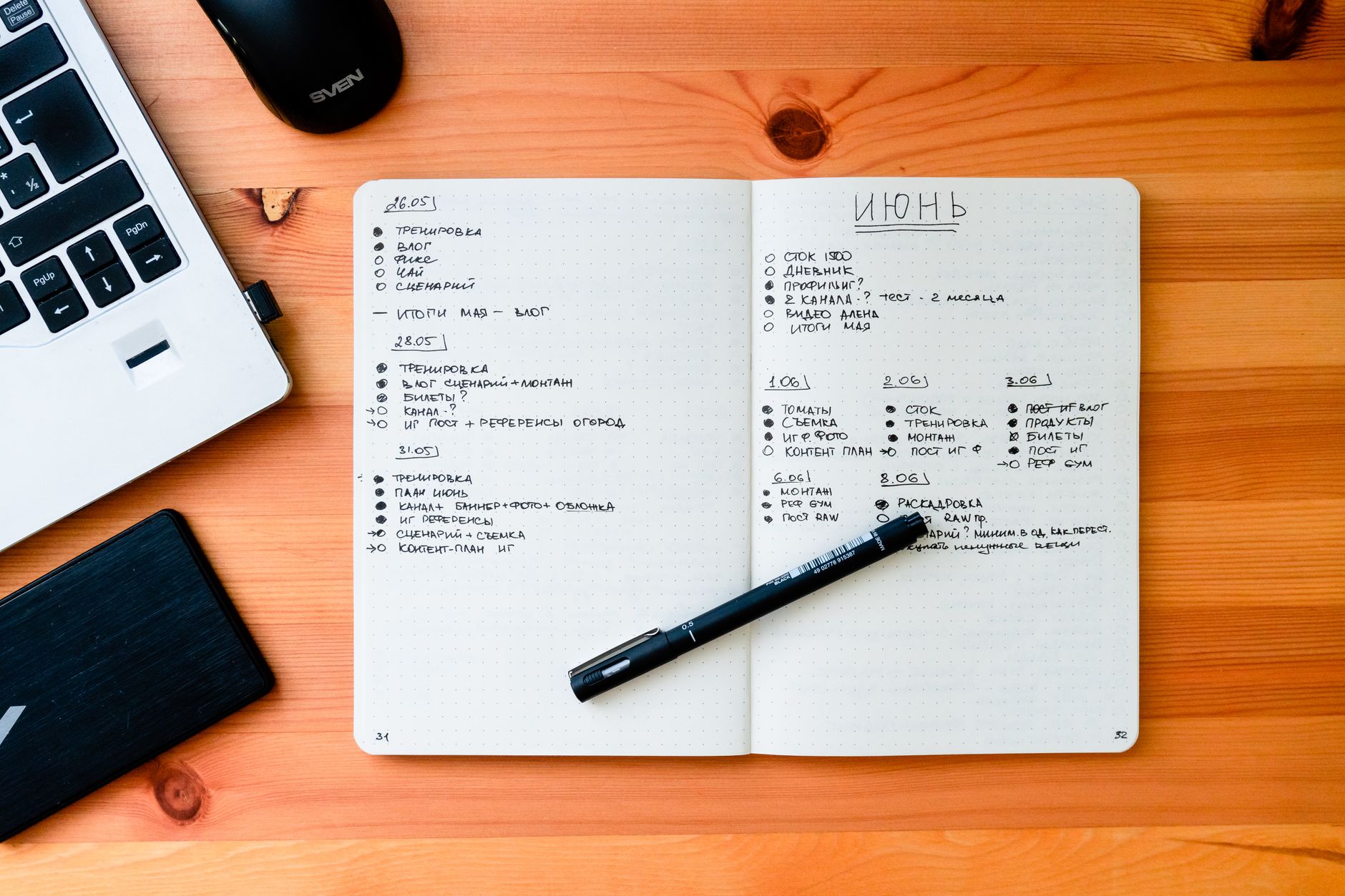
If you prefer paper, a notebook with sections for each job can work, but it has drawbacks:
- You can’t easily move tasks if priorities change.
- There are no automatic reminders for deadlines or recurring tasks.
- It’s hard to filter by date, priority, or activity type.
If you choose this method, combine it with a weekly review to update your time blocks. But if you manage more than 2-3 jobs, a specialized app will save you hours of organization.
Common Mistakes When Grouping Tasks by Time Blocks (and How to Avoid Them)
1. Assigning Blocks That Are Too Long or Too Short
A common mistake is assigning 4-5 hour blocks to a single type of task, which leads to fatigue and procrastination. The ideal is to divide your blocks into 60-90 minute slots, with 5-10 minute breaks in between. If a task requires more time, break it into subtasks. For example, instead of assigning a 4-hour block to "Design website for Client X," create smaller blocks: "Design header," "Create wireframes," and "Review color palette."
2. Not Leaving Room for Unexpected Tasks
When planning your time blocks, it’s easy to forget that unexpected tasks (last-minute meetings, technical issues, or delays) are inevitable. To prevent them from derailing your day, leave 20-30% of your time unassigned to specific tasks. For example, if you work 8 hours a day, assign only 5-6 hours to specific blocks and use the rest for adjustments. In Foco, you can create a recurring task called "Buffer" in each job to remind yourself that this time is reserved for the unexpected.
3. Mixing Tasks from Different Jobs in the Same Block
Grouping tasks by time blocks loses its purpose if you mix activities from different jobs in the same block. For example, answering emails for Client A and reviewing code for Project B in the same time slot will force you to constantly switch contexts, reducing your productivity. To avoid this, use Foco’s Focus mode: when you enter a job, the dashboard automatically filters out tasks that don’t belong to that domain, helping you stay focused.
Practical Example: A Day of Batching with Multiple Jobs
Imagine you manage three jobs: a design client (Client A), a web development project (Project B), and your personal tasks (Administration). Here’s how you could organize your day using time blocks:
- 8:00 - 9:30 AM: Deep work block (Project B). Use Focus mode to see only development tasks, like "Implement payment API" and "Review pull request."
- 9:30 - 9:45 AM: Break.
- 9:45 - 10:30 AM: Communication block (Client A). Review pending emails and messages, and update the brief with the latest changes.
- 10:30 - 11:00 AM: Administrative block (Administration). Send invoices and update your expense sheet.
- 11:00 AM - 12:00 PM: Meeting with Client A (collaborative block).
- 12:00 - 1:00 PM: Lunch and disconnect.
- 1:00 - 2:30 PM: Repetitive tasks block (Project B). Fix minor bugs and update documentation.
- 2:30 - 3:00 PM: Buffer. Time for unexpected tasks or delays.
- 3:00 - 4:00 PM: Creative block (Client A). Design the new landing page.
In this example, each block is dedicated to one type of activity or job, minimizing context-switching. The buffer time lets you adjust your day if something urgent comes up. If you use Foco, you can drag tasks in the Calendar view to assign them to these blocks, and the app will remind you when to start each one.
Conclusion: Batching as a System, Not a Trick
Grouping tasks by time blocks across multiple jobs isn’t a productivity hack—it’s a system that requires planning, flexibility, and the right tools. The key is classifying your tasks by job and activity type, assigning realistic blocks based on your energy, and reviewing your plan weekly to adjust for changes. If you do it right, you’ll reduce multitasking, avoid overlaps, and gain clarity in your day-to-day.
Tools like Foco are designed to simplify this process: with color-coded jobs, flexible views (List, Kanban, or Calendar), and the ability to filter tasks by domain, they help you implement batching without complications. If you also manage tasks from Notion, GitHub, or Jira, its automatic integration saves you the hassle of copying them manually. Discover how to sync GitHub issues and Jira tasks in one list here and take your batching to the next level.
Batching isn’t magic—it’s organization. And with the right system and tools, it can become your best ally for managing multiple jobs without losing control.
FAQ
How can I group tasks by time blocks if I have an unpredictable schedule?
If your schedule changes every week, use flexible blocks instead of fixed ones. For example, instead of assigning "9:00 - 10:00 AM to Client A tasks," create thematic blocks like "Design block (2 hours)" and adjust their timing based on your availability. Tools like Foco let you drag tasks in the Calendar view to reorganize them easily. Learn more about time blocking for unpredictable schedules here.
What if a task doesn’t fit into a single time block?
Break it into smaller subtasks and assign them to different blocks. For example, if a task is "Develop login module," split it into "Design interface," "Implement backend," and "Test functionality." In Foco, you can create subtasks within a main task and assign them independent start dates.
How do I prevent unexpected tasks from ruining my batching plan?
Leave 20-30% of your time unassigned to specific tasks, using it as a buffer. In Foco, you can create a recurring task called "Buffer" in each job to remind yourself that this time is reserved for unexpected tasks. It’s also helpful to review your blocks the night before and adjust them based on the next day’s priorities.
Is it better to group tasks by activity type or by job?
It depends on your workflow. If your tasks vary widely between jobs (e.g., design for one client and development for another), group by job to avoid context-switching. If your tasks are similar (e.g., answering emails for multiple clients), group by activity type. In Foco, you can switch between Panorama mode (all tasks) and Focus mode (one job) to adapt to both strategies.
How can I remember which task to do in each block?
Use reminders and the Calendar view. In Foco, you can assign a start date to each task (when you’ll work on it) and enable reminders minutes before the block begins. The Calendar view also shows your tasks alongside your events, so you know what to do at any given time.
Try Foco
Every task from every job in one place. Free to start.