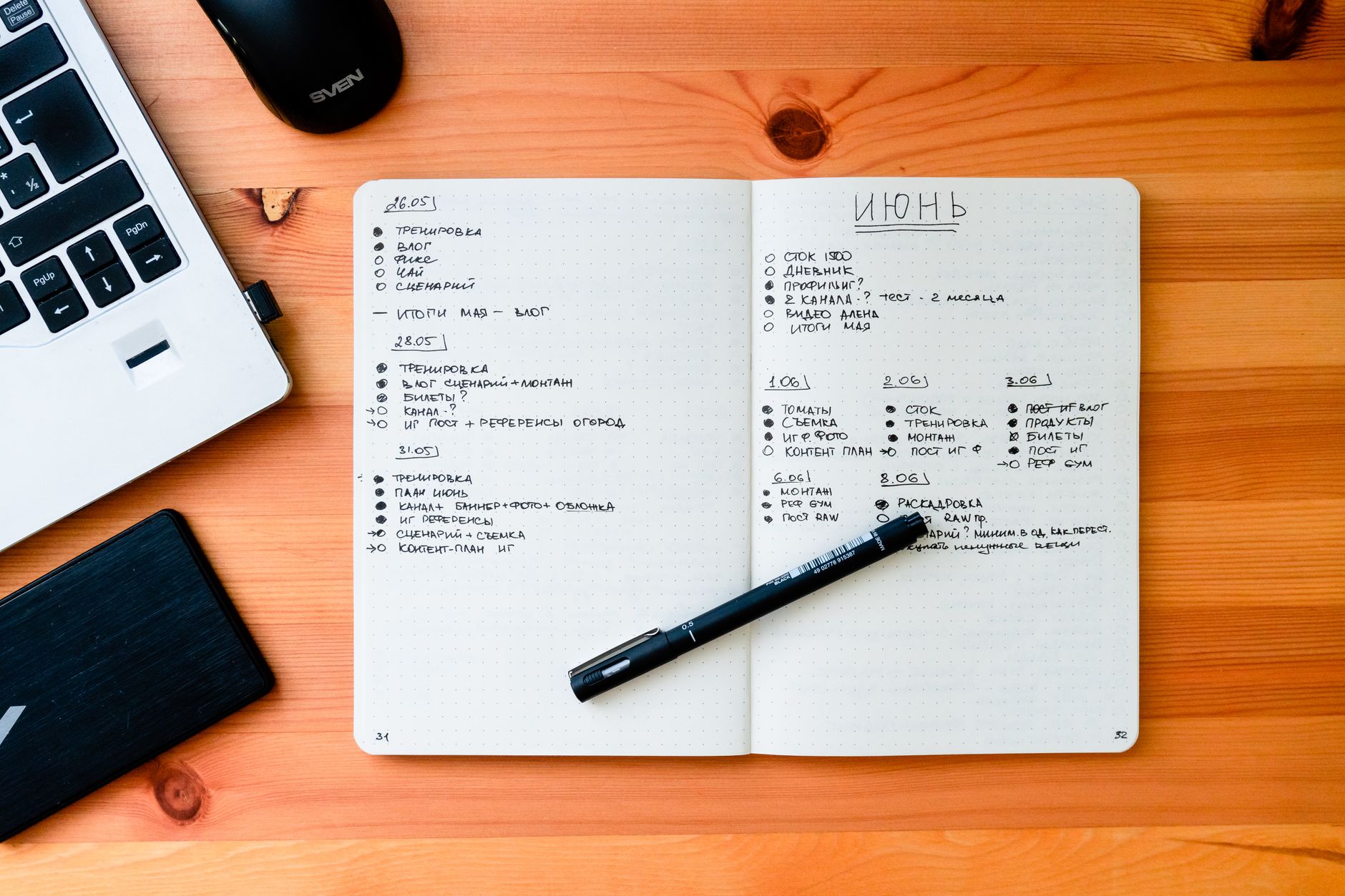
How to Group Tasks by Time Blocks for Freelancers with Multiple Clients: Batching and Thematic Blocks in Practice
Learn how to apply batching and thematic time blocks to reduce context switching. Step-by-step guide with real examples and how to use Foco to manage tasks from multiple clients.
If you manage multiple clients or projects at once, you know that the biggest enemy of your productivity isn’t a lack of time—it’s context switching. Jumping from a design task to a client meeting, then answering emails for another project, and finally reviewing invoices leaves you exhausted without making real progress. This is where batching—grouping similar tasks—and thematic time blocks become your allies. But how do you apply them when each client has their own deadlines and priorities? In this practical guide, we’ll explain how to organize your tasks by time blocks for freelancers with multiple clients, using real examples and tools like Foco to maintain control without losing flexibility.

Why Batching and Thematic Blocks Work (and When They Fail)
Batching involves grouping tasks that require the same type of mental effort or tools to complete them in sequence. For example, answering emails from multiple clients in one block instead of interrupting other tasks every time a new message arrives. Thematic blocks take it a step further: you assign a theme to a block of time (e.g., "mornings for development," "afternoons for meetings") and work only on related tasks within that block, without mixing types of work.
These techniques reduce context-switching costs—that lost time spent reorienting yourself every time you switch tasks. According to neuroscience research, switching tasks can reduce your daily productivity by up to 40%. But there’s a catch: if you work with multiple clients, their deadlines and priorities rarely fit into perfect blocks. This is where many generic guides fail because they assume you have full control over your schedule. The reality is that, as a freelancer, you must adapt batching to each client’s urgency without losing structure.
Batching isn’t about grouping by client, but by type of work: if three clients ask you to review invoices, do them all at once, even if they’re different projects.
Step-by-Step: How to Group Tasks by Time Blocks for Freelancers with Multiple Clients
1. Identify Repetitive Types of Work (and Which Are Unique)
Make a list of all the tasks you perform in a typical week. Group them by type of activity, not by client. For example:
- Communication: answering emails, messages, or status updates.
- Content creation: writing articles, designing graphics, or editing videos.
- Meetings: calls, video calls, or feedback sessions.
- Administration: invoices, contracts, or time tracking.
- Technical development: programming, debugging code, or configuring servers.
Unique tasks (e.g., "prepare a proposal for client X") usually don’t fit into batching, but you can reserve blocks for them in your calendar.
2. Assign Thematic Blocks to Your Week (and Defend Your Time)
Divide your week into 2-3 hour blocks and assign them a theme. For example:
- Monday and Wednesday mornings: Technical development (for all clients).
- Tuesday and Thursday afternoons: Communication (emails, messages, and updates).
- Fridays: Administration (invoices, contracts, and tracking).
- Short daily blocks: Meetings (grouped into 1-2 hours, not scattered).
Use Foco’s Calendar view to visualize these blocks as recurring events. This way, when a client asks for a meeting, you can offer them a slot within your meeting block instead of disrupting your workflow. If you use synchronization with Google Calendar or Outlook, you’ll see your external events alongside your thematic blocks, avoiding overlaps.
3. Group Similar Tasks Within Each Block (Even from Different Clients)
Within each thematic block, work on similar tasks from multiple clients. For example, in your "Communication" block:
- Answer all pending emails from clients A, B, and C in sequence.
- Update project statuses in tools like Notion or Asana (if you use Foco’s connections, these tasks will appear automatically in your list).
- Send deadline reminders to clients who need them.
In Foco, use the List view and filter by tags or due dates to see only tasks of a specific type. For example, tag all communication tasks with "#communication" and group them in your corresponding block. If a task is urgent (e.g., "reply to client X’s email by 12 PM"), assign it a "urgent" priority and place it at the start of the block.
4. Use Focus Mode to Concentrate on One Type of Work
When you enter a thematic block, activate Focus mode in the app. This mode filters your dashboard to show only tasks from one work (or type of work) at a time. For example, if your block is "Technical Development," select the "Development" work in Foco and you’ll see only programming tasks from all your clients. This avoids distractions from other types of tasks, like invoices or meetings.
If you use the Kanban view, drag tasks to the "Doing" column to maintain focus. On mobile, the Kanban tabs allow you to switch between columns without losing concentration.
5. Review and Adjust Weekly (Batching Isn’t Rigid)
Every Friday, review what worked and what didn’t in your week. Ask yourself:
- Were there thematic blocks you didn’t fill with tasks? Maybe that type of work isn’t as frequent as you thought.
- Did any client interrupt you constantly? Consider communicating your availability blocks (e.g., "I respond to emails on Tuesday and Thursday afternoons").
- Were there tasks that always got left out? Add them to a specific block or reserve time for them.
In Foco, use the "Done" section of the List view to see which tasks you completed in each block. If a type of work (e.g., administration) always piles up, you might need more time or to delegate part of it.
How Foco Solves Common Problems When Grouping Tasks by Time Blocks
The typical alternative for managing multiple clients is using generic note-taking apps, spreadsheets, or separate lists. For example, creating a spreadsheet with tabs for each client or using an app like Google Tasks with separate lists. The problem is that these tools aren’t designed for frequent context switching:
- You can’t visualize tasks from multiple clients at once without losing context (e.g., in a spreadsheet, seeing all "communication" tasks means jumping between tabs).
- There’s no way to filter by type of work, only by client or project.
- They don’t natively integrate deadlines, priorities, or reminders, making it hard to prioritize within a thematic block.
- They don’t sync with external tools (e.g., Notion, GitHub), so you have to manually copy tasks.
Foco is specifically designed for those who manage multiple jobs at once. Here are the key features that make it ideal for applying batching and thematic blocks:
- Color-coded works: Each client or type of work has a color. In Panorama mode, you see all your tasks with their color, helping you quickly identify similar tasks (e.g., all green tasks are for communication).
- List view with date grouping: Groups your pending tasks into "Today," "This Week," "Later," and "No Date," so you can plan realistic thematic blocks.
- Filters by due date or completion date: If a thematic block is for tasks with a near deadline, filter by due date to see only what’s urgent.
- Unlimited tags: Use tags like "#communication," "#development," or "#invoices" to group similar tasks from different clients in the same block.
- Focus mode: Eliminates distractions by showing only tasks from one work (or type of work) at a time, ideal for concentrating on a thematic block.
- Connections with external tools: If you use the Plus plan, Foco automatically brings in tasks assigned to you in Notion, GitHub, Linear, Jira, or Asana. This way, you don’t waste time manually copying tasks and can group them by type in your blocks.
For example, if in your "Technical Development" block you have tasks from three different clients, Foco lets you see them together in Panorama mode, filter by the "#development" tag, and focus on them without distractions. If a task comes from GitHub or Linear, it will appear automatically in your list, without needing to check each tool separately. Learn more about how to sync tasks from Notion, Linear, and GitHub in one list without migrating data.
Real Example: A Week of Batching with Foco
Imagine you’re a freelance designer with three clients: a startup (client A), an agency (client B), and a personal project (client C). Here’s how you’d apply batching and thematic blocks with Foco:
- Monday morning (Block: Creative Design)
- - Tasks: Design logo for client A, create banners for client B, and sketches for client C.
- - In Foco: Panorama mode with filter by "#design" tag. Use Focus mode to see only design tasks and work on them in sequence.
- Tuesday afternoon (Block: Communication)
- - Tasks: Reply to emails from clients A and B, send status update to client C, schedule meeting with client B.
- - In Foco: List view with filter by "#communication" tag and "urgent" priority. Use voice capture to dictate quick responses and attach them as notes.
- Wednesday (Block: Meetings)
- - Tasks: Video call with client A, feedback review with client B.
- - In Foco: Calendar view to see meetings alongside your thematic blocks. Use listen mode to record the meeting and transcribe it automatically as a note.
- Thursday (Block: Administration)
- - Tasks: Invoice client A, send contract to client B, review hours worked for client C.
- - In Foco: Kanban view with columns "To Do," "Doing," and "Done." Drag tasks to "Doing" as you complete them.
At the end of the week, review in Foco which tasks are still pending and adjust your blocks for the next week. If the administration block always falls short, you might need to extend it to two days or delegate part of the work.
Common Mistakes When Grouping Tasks by Time Blocks (and How to Avoid Them)
- Mistake 1: Grouping by client instead of by type of work. If you dedicate a block to "client A" and another to "client B," you’ll still be jumping between different types of tasks (e.g., design, emails, invoices). Solution: Use tags in Foco to group by type, not by client.
- Mistake 2: Blocks that are too long. A 4-hour block for "communication" can be exhausting. Solution: Divide blocks into 2-3 hour segments and alternate with breaks or less demanding tasks.
- Mistake 3: Not defending your blocks. If a client asks for a meeting outside your meeting block, it’s easy to give in. Solution: Communicate your availability blocks and use Foco’s Calendar view to offer alternatives within your schedule.
- Mistake 4: Ignoring urgent tasks. If a task is urgent, don’t wait for its thematic block. Solution: Use the "urgent" priority in Foco and place it at the start of the day, even if it breaks your batching.
- Mistake 5: Not reviewing weekly. If you don’t adjust your blocks, you’ll end up with piled-up tasks. Solution: Every Friday, review in Foco which tasks are still pending and adjust your blocks for the next week.
Conclusion: Batching as a Tool, Not a Dogma
Grouping tasks by time blocks for freelancers with multiple clients isn’t about following rigid rules, but about reducing context switching without losing flexibility. Batching and thematic blocks are tools to gain control over your schedule, but they must adapt to the reality of your clients and deadlines. With Foco, you can apply these techniques without losing sight of what’s urgent, thanks to features like Panorama mode, tag filters, and connections with external tools.
Start with small blocks and adjust based on what works for you. If a week doesn’t go as planned, review your tasks in Foco and ask: What type of work piled up? Which block do I need to expand or divide? Over time, you’ll find the balance between structure and flexibility. Discover more about how to apply other productivity techniques in multitasking environments, like the five whys.
FAQ
How do I group tasks by time blocks if my clients have tight deadlines?
Prioritize urgent tasks at the start of the day, even if they break your batching. Use the "urgent" priority in Foco to highlight them and group the rest by type of work in thematic blocks. If a client has tight deadlines, communicate your availability blocks to manage expectations.
Is it better to group tasks by client or by type of work?
By type of work. Grouping by client forces you to switch between different activities (e.g., design, emails, invoices), which maintains context switching. Grouping by type (e.g., all communication tasks together) reduces mental fatigue and increases efficiency.
How do I prevent thematic blocks from filling up with last-minute urgent tasks?
Reserve a daily block for unexpected tasks (e.g., 1 hour in the morning) and use the "urgent" priority in Foco to manage what can’t wait. If a thematic block fills up with urgencies, review whether you need to adjust your deadlines or delegate tasks.
Can I use Foco for batching if I work in a team with other freelancers?
Yes. Invite your collaborators to a work in Foco and assign tasks by type. Use the Kanban view to track the progress of each thematic block and email collaboration to share specific tasks without giving access to the entire board.
What do I do if a thematic block doesn’t fill up with tasks?
Reassign that time to another block or use it to get ahead on tasks for the following week. In Foco, filter by tasks with no date and assign them to that free block. If a type of work isn’t frequent, eliminate its block and redistribute the time.
Try Foco
Every task from every job in one place. Free to start.