The Zeigarnik Method for Productivity: How to Remember Pending Tasks and Work on Multiple Projects Without Forgetting Anything
Learn how the Zeigarnik method for productivity boosts task memory, reduces anxiety, and helps you juggle multiple projects with practical examples.
Have you ever left a task unfinished, only to find your mind repeatedly bringing it back to your attention until you completed it? That’s no coincidence—it’s the Zeigarnik effect, a psychological principle that explains why incomplete tasks stick in our memory far more than finished ones. Applying the Zeigarnik method for productivity doesn’t just help you remember what’s pending; it also lightens your mental load and improves your ability to manage multiple jobs without losing control. In this article, we’ll explore what this effect is, how it works in the brain, and—most importantly—how to use it practically to organize your day, prioritize effectively, and avoid procrastination.

What Is the Zeigarnik Effect and Why Does It Work?
The Zeigarnik effect is named after Soviet psychologist Bluma Zeigarnik, who noticed something intriguing in the 1920s: waiters in a café could recall unserved orders with remarkable accuracy without writing them down, but instantly forgot them once the orders were delivered. Zeigarnik replicated this phenomenon in lab experiments, proving that people remembered 40% more of interrupted tasks than completed ones. The reason lies in how our working memory functions: the brain keeps incomplete tasks active as a mental alert system, freeing up cognitive resources only when they’re closed.
The Science Behind the Zeigarnik Method for Productivity
When you leave a task unfinished, your brain generates psychological tension that acts as a constant reminder. This tension isn’t negative—it’s a signal that something needs your attention. Neuroscience studies suggest this activation is linked to the prefrontal cortex, the brain region responsible for planning and decision-making. However, if you accumulate too many incomplete tasks, that tension turns into mental noise, leading to stress and making it harder to focus on what truly matters. The key is to manage that tension so it works for you, not against you.
How to Apply the Zeigarnik Method in Your Daily Routine
1. Strategically Leave Tasks Open
The goal isn’t to leave everything half-done, but to interrupt tasks at key points to leverage the Zeigarnik effect. For example, if you’re writing a report, stop when you’ve outlined the structure but before drafting a specific section. Your brain will remember that «gap» and make it easier to pick up later. This approach is especially useful for creative or complex tasks, where the inertia of starting is the biggest hurdle. A University of California study found that people who left tasks at an intermediate point resumed them 22% faster than those who abandoned them randomly.

2. Use Visual Lists to Keep Tasks «Alive»
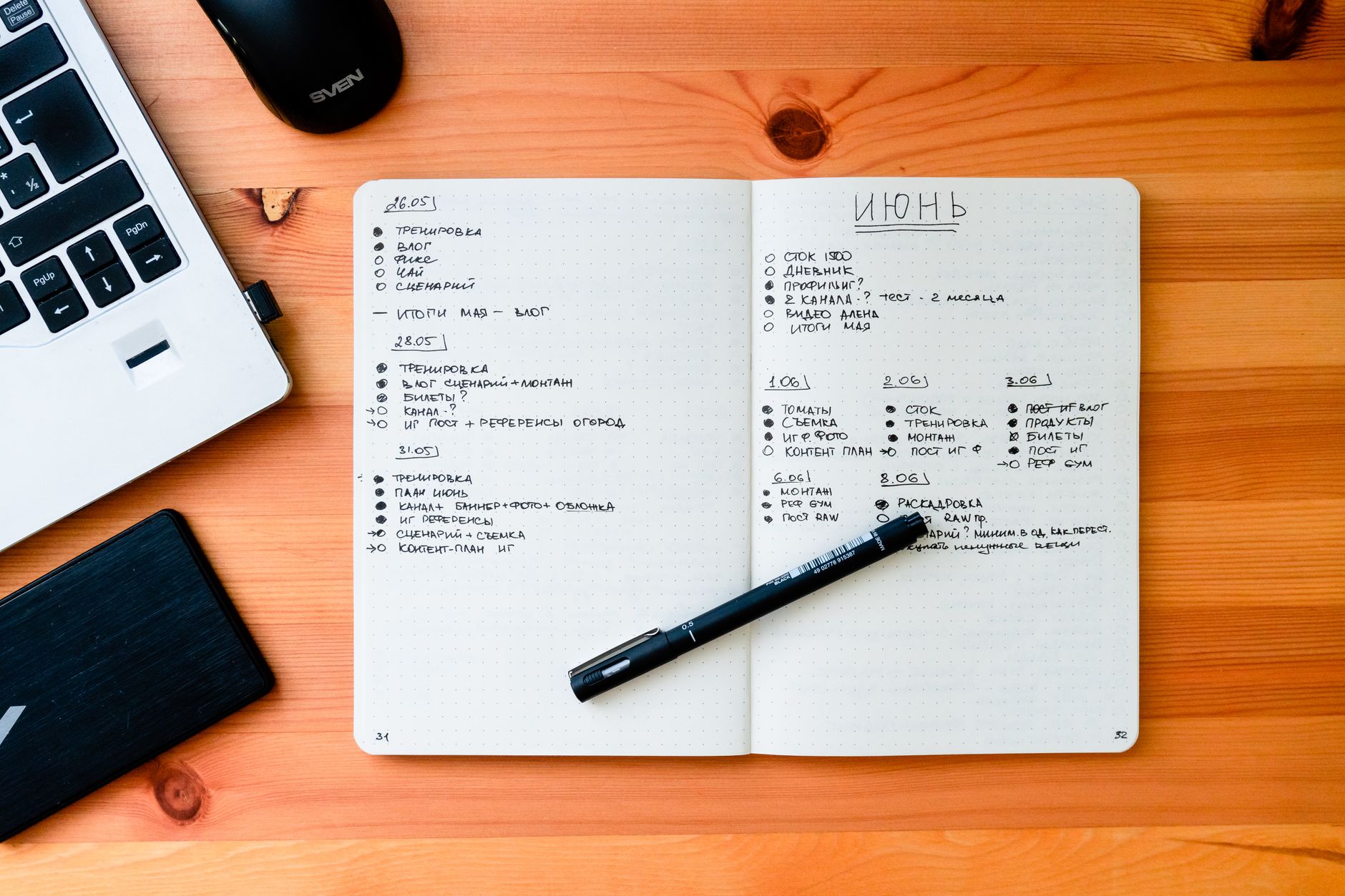
The Zeigarnik effect is amplified when pending tasks are visible. A physical or digital list where you can see what’s unfinished acts as an external trigger that reinforces your internal reminder. For example, a Kanban board with columns like «To Do,» «In Progress,» and «Done» lets you see at a glance which tasks are «open» and which are closed. The key is to avoid hiding pending work: if you archive a task before finishing it, you lose the benefit of the Zeigarnik effect. Instead, if you leave it in an intermediate state (like «Doing»), your brain will keep it active.
3. Combine It with «Micro-Starts»
The Zeigarnik method for productivity works best when you reduce friction to resume tasks. One way to do this is with micro-starts: minimal actions that bring you closer to the task without requiring major effort. For example, if you need to prepare a presentation, leave the file open with a blank slide and a provisional title. Or if you have to reply to emails, leave your email client open with the cursor in the subject line. These small gestures activate the Zeigarnik effect and make resuming the task almost automatic. Pro tip: link each micro-start to an existing habit, like drinking coffee or checking your phone, to create a mental anchor.
Using the Zeigarnik Method to Manage Multiple Jobs
If you juggle several projects at once—whether as a freelancer, entrepreneur, or professional with parallel responsibilities—the Zeigarnik effect can be your best ally or your worst enemy. The difference lies in how you structure task interruptions. When switching between jobs, it’s easy to lose track of where you left off. This is where the Zeigarnik method for productivity becomes crucial: by leaving each task at a specific, visible point, you reduce the cognitive cost of context-switching.

Practical Example: A Day in the Life of a Freelancer
- 9:00 AM: You start drafting an article for Client A. You leave the document open with a draft of the first paragraphs and a note: «Need to expand the third point with survey data.»
- 10:30 AM: You switch to Client B to review a design. Before closing the file, you add a comment: «Adjust the button color based on yesterday’s feedback.»
- 12:00 PM: You take a call with Client C. Afterward, you create a pending task: «Send signed contract by Friday» and leave it in your «Doing» list.
- 2:00 PM: You return to Client A’s article. Thanks to the Zeigarnik effect, you remember exactly where you left off and what’s missing. You complete the pending section in 20 minutes.
- 4:00 PM: You review Client B’s design. The comment you left helps you pick it up without wasting time remembering what needed changing.
In this example, the freelancer doesn’t rely on memory: they use the Zeigarnik effect as an active tool, leaving concrete clues for each task. That way, when they return to a project, they don’t have to mentally reconstruct what needed to be done. This is especially useful when working in environments with frequent interruptions, like open offices or remote teams.
Common Mistakes When Using the Zeigarnik Method
While the Zeigarnik effect is powerful, using it incorrectly can lead to anxiety or disorganization. Here are the most common mistakes and how to avoid them:

- Leaving too many tasks open: If you have 20 things in «Doing,» the Zeigarnik effect becomes noise. Limit active tasks to a manageable number (3–5, depending on your capacity).
- Not defining clear interruption points: Saying «I’ll leave it here» without specifying what’s next is useless. Use concrete notes like «Need to add sources» or «Review with the team.»
- Confusing «open» with «urgent»: An incomplete task isn’t the same as a priority. Use a labeling system (like «Important» or «Urgent») to distinguish what deserves immediate attention.
- Not closing loops: The Zeigarnik effect loses power if you never finish anything. Make sure to mark tasks as «Done» regularly to free up mental space.
The Zeigarnik method isn’t magic: it’s a reminder that your brain needs clear signals to function. Productivity isn’t about doing more—it’s about remembering better what’s left to do.
Tools to Apply the Zeigarnik Method (and How Foco Can Help)
To leverage the Zeigarnik effect, you need a system that lets you visualize incomplete tasks, leave them at strategic points, and resume them effortlessly. Some popular options include:
- Physical boards: A corkboard or whiteboard with sticky notes is great for teams or visual projects. The downside is it doesn’t scale well with multiple jobs.
- Task apps: Tools like Todoist or Trello let you create lists and Kanban boards, but many don’t distinguish between tasks from different projects or show the full context.
- Calendars: Useful for deadline-driven tasks, but they don’t capture what’s «in progress» without a specific date.
This is where a tool like Foco can be helpful. Its design is built for managing multiple jobs in parallel without losing track: each task has a color tied to its project, so you can see at a glance what’s pending in each area. For example, if you leave a task for Client A in «Doing» with a note like «Need to review data», the color will remind you which project it belongs to when you see it in your list. Plus, the Panorama view shows all your open tasks (from all jobs) in one place, while Foco mode filters only those for a specific project, avoiding distractions. If you use voice capture, you can dictate an incomplete task—like «Review Client B’s contract, need to sign page 3»—and Foco will transcribe it with the audio attached, so you don’t lose details when resuming.
The Zeigarnik method for productivity doesn’t require complex tools, but it does need a system that adapts to how your memory works. The goal is to leave tasks at specific points, see them clearly, and resume them without friction. Whether you use pen and paper or an app, the objective is the same: turn the tension of the unfinished into a driver for progress, not a source of stress.
Try Foco
Every task from every job in one place. Free to start.