Zeigarnik Technique for Productivity: How to Remember Pending Tasks and Stay Focused Across Multiple Jobs
Learn what the Zeigarnik effect is, how to use the Zeigarnik technique for productivity to remember pending tasks, and maintain focus across multiple jobs without losing details, with practical examples.
The Zeigarnik technique for productivity is based on a psychological principle discovered in the 1920s: our minds remember unfinished tasks better than those we’ve completed. This phenomenon, known as the Zeigarnik effect after its discoverer, psychologist Bluma Zeigarnik, explains why we sometimes can’t stop thinking about a pending task or an unresolved conversation. Leveraging this mechanism can be crucial for managing multiple projects without losing important details, especially when juggling several responsibilities at once.
What Is the Zeigarnik Effect and Why Does It Work for Productivity?
Bluma Zeigarnik observed that waiters remembered orders they hadn’t yet served better than those they had already delivered. This led to the conclusion that the brain keeps incomplete tasks active in working memory, creating a tension that only resolves once the task is finished. In the context of productivity, this means that if you leave a task unfinished, your mind will keep reminding you of it until you complete it. This can be an advantage if used strategically, but it can also become a distraction if not managed properly.
How to Apply the Zeigarnik Technique to Remember Pending Tasks
- Break large tasks into small, incomplete steps: If you have a complex project, like preparing a report, don’t leave it as a single task. Instead, create subtasks like 'gather data,' 'write introduction,' or 'review charts.' By leaving each step incomplete, your mind will keep it present until you finish it.
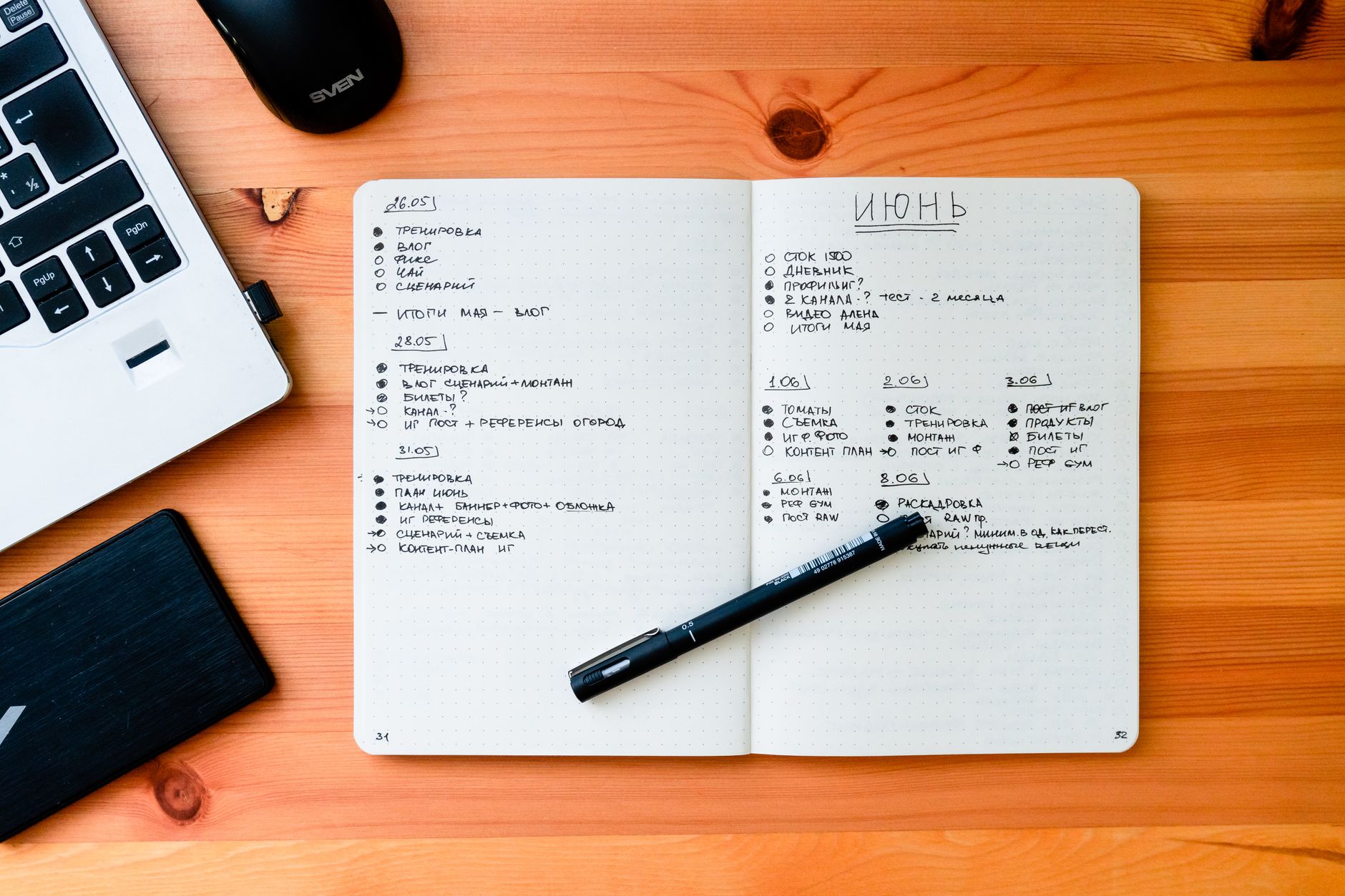
- Use visual reminders: Write down pending tasks in a visible place, like a board or a list, to reinforce the Zeigarnik effect. Seeing them constantly will activate your memory and remind you that something still needs to be done.
- Leave tasks at an easy point to resume: If you interrupt a task, do so at a moment when it’s easy to pick up later. For example, if you’re writing an email, leave the cursor where you were about to add a specific detail. This way, when you return, your mind will quickly pick up where you left off.
- Leverage natural tension: If you notice that a pending task is causing anxiety, use it as motivation to complete it. Instead of postponing it, spend a few minutes making progress, even if it’s small. This will reduce the tension and allow you to focus on other things.
Practical Examples of the Zeigarnik Technique at Work
Imagine you’re managing several projects for different clients. One of them requires you to send a draft by Friday, but today is Wednesday and you haven’t started yet. Instead of postponing it until the last minute, apply the Zeigarnik technique: open the document, write the title, and save the file without adding more. By leaving it incomplete, your mind will keep reminding you of it, making it more likely that you’ll return to it soon. Another example: if you have a pending meeting with a client, write down the main topic you want to discuss and leave the rest of the details undefined. This will keep the meeting in your mind until you prepare it fully.
Risks of the Zeigarnik Technique and How to Avoid Them
While the Zeigarnik effect can be useful, it also has its risks. If you accumulate too many unfinished tasks, the mental tension can turn into stress or anxiety. To avoid this, set limits: don’t leave more than 3 or 4 pending tasks at a time, and prioritize those that truly require your attention. Additionally, make sure to close tasks that are no longer relevant. If a task loses importance, mark it as completed even if it’s not 100% finished. This will free up mental space for what really matters.
Tools to Apply the Zeigarnik Technique Without Overwhelming Yourself
To leverage the Zeigarnik effect without becoming overwhelmed, it’s helpful to have a system that allows you to visualize your pending tasks clearly. For example, a Kanban board can help you see which tasks are in progress and which are completed. You can also use task lists with sections like 'Today,' 'This Week,' and 'Later' to organize your priorities. If you work on multiple projects at once, a system that groups tasks by context (like a client or work area) will help you stay focused without losing details.
How to Combine the Zeigarnik Technique with Other Productivity Methods
The Zeigarnik technique for productivity can be combined with other methods like time-blocking or the Eisenhower Matrix. For example, if you use time-blocking, you can assign time blocks to unfinished tasks to ensure you make progress on them. If you apply the Eisenhower Matrix, prioritize urgent and important tasks that you’ve left unfinished to prevent them from causing stress. You can also combine it with the Pomodoro Technique: spend 25 minutes on a pending task and leave the rest for later, using the Zeigarnik effect to return to it afterward.
A System to Apply the Zeigarnik Technique Across Multiple Jobs
If you manage multiple jobs or projects, such as freelance work, household tasks, and personal responsibilities, a system that allows you to see all your pending tasks in one place can be key. For example, an app like Foco lets you organize tasks by work (each with a distinct color) and view them in a general board or filtered by project. This way, you can leave tasks unfinished in each work area and trust that the Zeigarnik effect will keep them in mind, without losing sight of what still needs to be done in each area. Additionally, when you complete a task, the system helps you close the loop, reducing mental tension and allowing you to focus on what’s next.
Try Foco
Every task from every job in one place. Free to start.