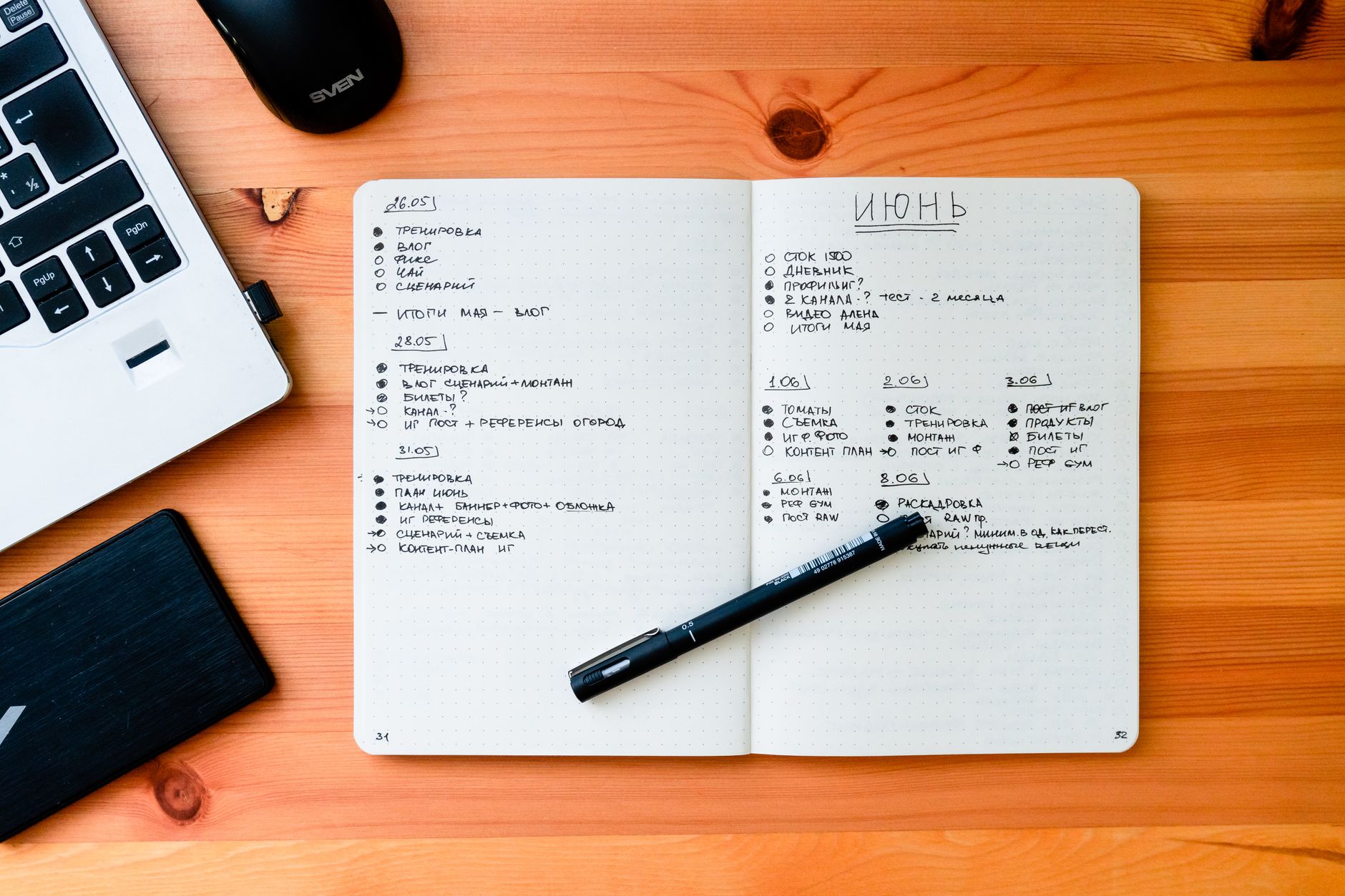
Time blocking for multiple jobs: A practical guide with time-blocking and batching in Foco
Learn how to apply time blocking for multiple jobs by combining it with batching in Foco. Step-by-step guide to organize tasks without burnout.
Managing multiple jobs, clients, or projects at once requires more than just a to-do list—it demands a system that prevents overwhelm and constant context switching. This is where time blocking for multiple jobs becomes essential. When combined with batching (grouping similar tasks), it allows you to dedicate focused attention to each area without losing control. In this practical guide, we’ll explain how to implement both methods in Foco, an app designed for those who need to organize tasks from various fronts in one place, with features that simplify planning and execution.

Why time blocking is essential for multiple jobs
Time-blocking involves assigning specific time slots to concrete tasks, rather than working from an endless list. For those juggling multiple jobs, this method offers clear advantages:
- Reduces context switching: By dedicating a block to a single job, you avoid the time and energy loss that comes from jumping between clients or projects.
- Prioritizes what matters: Forcing yourself to assign time to a task ensures it doesn’t get pushed aside by other urgencies.
- Creates healthy boundaries: Blocking time for each job (including personal tasks) prevents one from encroaching on another.
- Boosts focus: Knowing you have a reserved block for a task reduces the anxiety of "I should be doing something else."
However, applying time blocking for multiple jobs comes with challenges: How do you prevent one client from monopolizing your schedule? How do you handle recurring tasks without overloading your calendar? This is where batching comes in.
What is batching, and how to enhance it with time blocking
Batching involves grouping similar tasks to complete them in a single session. For example, replying to emails from all your clients in one block, instead of doing it sporadically throughout the day. When combined with time-blocking, batching becomes even more effective:

- Saves setup time: By doing similar tasks consecutively, you reduce the time lost in "warming up" for each one (e.g., opening tools or recalling details).
- Minimizes distractions: A batching block lets you silence notifications and focus on one type of task without interruptions.
- Optimizes mental resources: Your brain doesn’t have to constantly switch gears, reducing fatigue.
Practical example: Batching + time blocking in Foco
Imagine you’re managing two projects for different clients while also handling your personal finances. Instead of jumping between random tasks, you could structure your week like this:
- Monday 9:00-11:00: Email batching block (replying to clients A and B, and reviewing personal invoices). In Foco, use Focus mode to view only "Communication" tasks for both clients, filtering by tags like #email or #urgent.
- Tuesday 2:00-4:00 PM: Development block (technical tasks for Client A). In Foco, enter the "Client A" workspace and use the Kanban view to drag tasks between columns like "To Do," "In Progress," and "Review."
- Wednesday 10:00 AM-12:00 PM: Planning block (reviewing deadlines for both clients and personal tasks). In Foco, use the Calendar view to see all your task deadlines in one place, without opening each project separately.
Batching without time-blocking is like having an organized closet without hangers: tasks are grouped, but you don’t know when to do them. Time-blocking without batching is like having a schedule full of meaningless gaps. Together, they create a system where every task has its moment and place.
Step-by-step: How to apply time blocking for multiple jobs in Foco
1. Define your jobs and assign colors
In Foco, each job (client, project, or personal area) is a container with a name and a color. This lets you visually identify tasks at a glance. For example:

- Client A (blue): Mobile app development.
- Client B (green): Marketing consulting.
- Personal (red): Household and finances.
To create them, just click "New Job" and choose a color. This way, when you use Panorama mode, you’ll see all your tasks mixed together, each with its job’s color. This is key for applying time blocking for multiple jobs without losing visual reference.
2. Group tasks by type (batching) using tags
Batching works best if you first group similar tasks. In Foco, use tags to categorize them. For example:
- #email: Replying to client or vendor emails.
- #meetings: Preparing agendas or reviewing minutes.
- #development: Technical tasks (coding, testing, etc.).
- #admin: Invoices, contracts, or paperwork.
Then, in the List view, filter by tag to see only tasks of a specific type. This way, when your email batching block arrives, you’ll have all #email tasks from all your jobs in one place.
3. Assign time blocks in Foco’s calendar
In Foco, each task can have a completion date (when you’ll work on it) and a due date (the deadline). To apply time-blocking:
- Open the Calendar view and create an event for each time block. For example, "Email block #email" from 9:00 to 10:00 AM.
- Assign the relevant tasks to that event. In Foco, you can drag tasks from the list to the calendar to assign them a time and duration.
- Use the completion date to schedule when you’ll do each task, and the due date to mark the real deadline. This way, in the calendar, you’ll only see tasks you need to do that day, not all pending ones.
If you use Google Calendar or Outlook, sync them with Foco to see your external events alongside your tasks. This prevents overlaps and keeps everything in one place.
4. Use Focus mode to concentrate on one job
When it’s time to work on a block, enter the Focus mode for that job. For example, if you have a block for Client A, click on its container, and Foco will filter the board to show only its tasks. This prevents distractions from other jobs and lets you focus on what’s at hand.
In Focus mode, you can switch between List, Kanban, or Calendar views depending on your needs. For example, use Kanban for development tasks (with columns like "To Do," "In Progress," and "Done") or List for administrative tasks.
5. Review and adjust weekly
Time blocks aren’t static. Every week, review what worked and what didn’t:
- Were the blocks too short or too long? Adjust the duration.
- Were there tasks that didn’t fit into any block? Create new tags or specific blocks.
- Did any job require more time than planned? Reassign blocks in the calendar.
In Foco, use the List view to filter tasks by completion date or due date and see what’s still pending. If you have the Plus plan, the daily briefing will summarize which tasks are due today and what needs attention.
Foco vs. alternatives: Why it wins for multiple jobs
The typical alternative for managing multiple jobs is a mix of generic apps: a spreadsheet for deadlines, a task manager for lists, and a calendar for time blocks. The problem is that these systems aren’t designed to handle multiple contexts at once. For example:

- Note-taking apps or spreadsheets: They don’t let you assign completion dates or view tasks in a calendar. Plus, mixing jobs in one list creates visual clutter.
- Single-project task managers: Apps like Trello or Asana are designed for one project or team, not multiple independent jobs. Forcing them to handle multiple clients leads to creating separate boards, which fragments information.
- Traditional calendars: They only show events, not tasks. If you use Google Calendar for time blocks, you’ll have to manually create events for each task, without linking them to your to-do list.
Foco solves these issues with features specifically designed for time blocking for multiple jobs:
- Jobs as containers: Each client or project has its own space, but you can see all tasks together in Panorama mode or filter by job in Focus mode.
- Flexible views: Switch between List, Kanban, and Calendar with one click, without leaving the app. In the calendar, you see your time blocks alongside the tasks assigned to each one.
- Advanced fields for time-blocking: The completion date (with time and duration) and due date let you schedule when you’ll do each task and when it needs to be ready, without confusing them.
- Integrated batching: Tags and filters let you group similar tasks from multiple jobs into a single block, without manually searching for them.
Additionally, if you use tools like Notion, Linear, or GitHub, Foco’s Plus plan lets you sync tasks automatically, avoiding duplicate efforts.
Common mistakes when applying time blocking for multiple jobs (and how to avoid them)
1. Overly rigid blocks
Assigning 3-hour blocks for tasks that take 30 minutes is a waste. In Foco, use the duration in the completion date to adjust the actual time you need. If a task runs long, drag it in the calendar to extend the block.
2. Not leaving room for unexpected tasks
Leave empty blocks in your calendar for urgent tasks or delays. In Foco, create a job called "Unexpected" and assign tasks there as they arise.
3. Mixing task types in the same block
A "development" block shouldn’t include checking emails. Use batching to group only similar tasks. In Foco, filter by tags to ensure a block contains only one type of task.
4. Forgetting to review the system
Time blocks require constant adjustments. In Foco, spend 15 minutes every Friday reviewing the Calendar view for the following week and moving tasks if needed.
Conclusion: Time blocking + batching = less stress, more results
Applying time blocking for multiple jobs combined with batching isn’t about filling every minute of your day—it’s about creating a system that lets you make progress on all fronts without burning out. The key lies in:
- Assigning a specific time to each task (time-blocking).
- Grouping similar tasks to do them consecutively (batching).
- Using a tool like Foco that lets you see all your jobs in one place, without fragmenting information.
Start with short blocks (1-2 hours) and adjust as needed. Over time, you’ll find the balance between structure and flexibility, and you’ll discover that managing multiple jobs doesn’t have to be chaotic. If you want to dive deeper into techniques to avoid procrastination across multiple fronts, check out how to apply the 1-3-5 rule for productivity across multiple jobs.
FAQ
How long should a time block last for multiple jobs?
Ideally between 1 and 3 hours, depending on the task type. For creative or technical work, 2-3 hour blocks work well. For administrative or repetitive tasks, 30-60 minutes is usually enough. In Foco, use the duration in the completion date to adjust each block.
How do I prevent one job from monopolizing my schedule with time blocks?
Assign a weekly limit to each job. For example, 10 hours for Client A, 8 for Client B, and 5 for personal tasks. In Foco, use the Calendar view to see the time spent on each job and reassign blocks if necessary.
Can I use time blocking if my tasks are highly variable?
Yes, but leave flexible blocks. For example, reserve mornings for fixed tasks and afternoons for unexpected ones. In Foco, create a job called "Flexible" and assign ad-hoc tasks there.
How do I combine time blocks with external meetings?
Sync your external calendar (Google Calendar or Outlook) with Foco to see meetings and tasks in one place. Schedule work blocks around meetings, leaving time to prepare or take notes afterward.
What if I don’t finish a task in its assigned block?
In Foco, drag the task to another block in the calendar or split it into subtasks. If it’s recurring, use the recurrence feature to automatically generate the next occurrence.
Try Foco
Every task from every job in one place. Free to start.