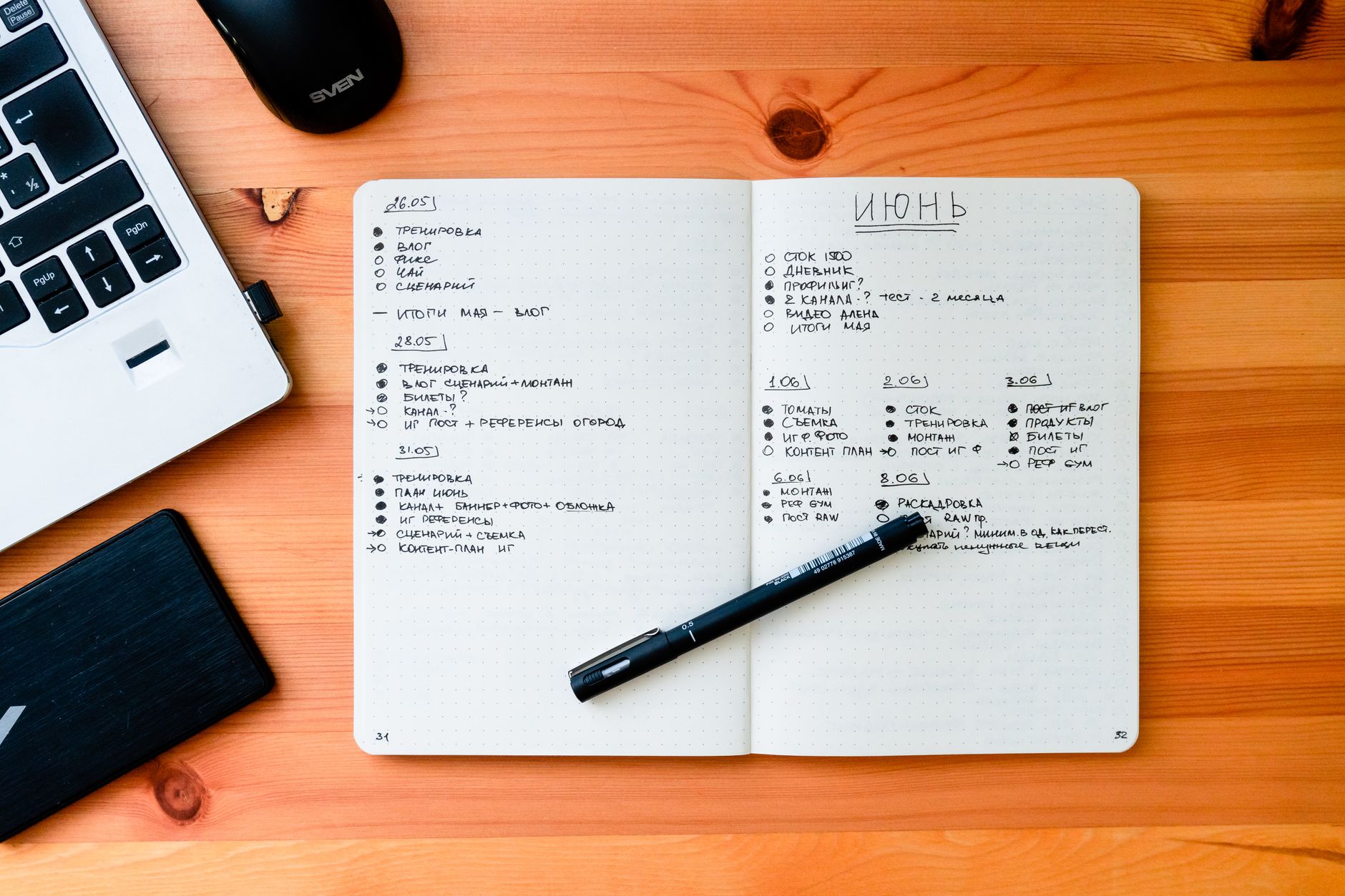
Batching tasks across multiple projects: how to group for faster, less stressful work
Learn how to apply batching to tasks from different projects to reduce context switching, save hours, and work with less stress. Practical guide with examples.
Constantly switching between different projects is one of the biggest time and energy drains. Every time you shift from answering emails for one client to reviewing code for another, or from preparing a meeting to updating a report, your brain needs to reset its context: recall what you were doing, what information you need, and what the next steps are. This phenomenon, known as context switching, not only slows down your work but also increases stress and the feeling of always running without making progress. This is where batching tasks across multiple projects becomes a powerful tool: instead of jumping between scattered activities, you group similar ones to do them all at once, reducing friction and gaining flow.

What is batching and why it works for parallel projects
Batching (or task grouping) involves dedicating blocks of time to activities that share similar characteristics, rather than spreading them throughout the day. For example, instead of responding to emails from three different clients at random times, you review them all together in one session. The key is to identify patterns: tasks that require the same type of energy, the same tools, or the same mental environment.
When you apply batching to multiple projects, the benefit multiplies. Imagine you manage two clients, a personal project, and household tasks. Without batching, your day might look like this: drafting an email for Client A, then correcting a design for Client B, then doing online grocery shopping, and finally updating your personal website. With batching, you’d reorganize your day to group all communications (emails, messages), all creative tasks (design, website), and all logistics (shopping, errands).
Batching isn’t just a productivity technique: it’s a shield against the mental fragmentation caused by parallel projects.
The science behind batching: fewer switches, more focus
Neuroscience studies have shown that the brain takes between 10 and 20 minutes to regain optimal concentration after switching tasks. This happens because each activity activates different neural networks: responding to an email engages language and decision-making areas, while designing a graphic requires spatial and creative skills. Jumping between them forces your brain to reboot constantly, which consumes glucose (your mental fuel) and generates fatigue. Batching mitigates this effect by minimizing switches: by grouping similar tasks, you keep the same neural network active for longer, reducing wear and increasing efficiency.
How to apply batching to tasks across multiple projects: step by step
1. Identify recurring task categories
The first step is to take an inventory of your tasks for a week. Write down everything you do, from the smallest (replying to a message) to the most complex (preparing a presentation). Then, classify them into categories based on their nature, not the project they belong to. Some common categories in multi-project environments include:

- Communication: emails, messages, calls, comments on shared documents.
- Content creation: writing, designing, editing videos, programming, preparing reports.
- Logistics: administrative tasks, purchases, bookings, file organization.
- Review and feedback: proofreading texts, testing functionalities, approving designs.
- Planning: prioritizing tasks, updating calendars, assigning resources.
- Learning: researching, taking courses, reading technical documentation.
For example, if you work in software development and graphic design, you could group all client emails under communication, even if they’re for different projects. The important thing is that tasks in the same category require a similar mental state.
2. Assign specific time blocks for each category
Once you’ve identified the categories, assign fixed time blocks in your calendar for each one. The duration will depend on the complexity of the tasks and your energy: a communication block might last 30 minutes, while a content creation block could extend to 2 or 3 hours. Some tips for assigning these blocks:
- Place high-concentration blocks (like creation or review) during your peak energy hours, usually in the morning.
- Group repetitive or mechanical tasks (like logistics or communication) during lower-energy times, such as after lunch.
- Leave buffer blocks between categories to rest or handle unexpected tasks.
- If you work with tight deadlines, prioritize blocks based on the urgency of each project, but keep the grouping by category.
Practical example: a freelancer managing two clients (an e-commerce and a mobile app) and a personal project (a blog) could organize their week like this:
- Monday and Thursday mornings: Creation block (2 hours to design e-commerce banners + 1 hour to write app code).
- Tuesday and Friday afternoons: Communication block (1 hour to respond to emails from both clients + 30 minutes to update the blog).
- Wednesday: Review block (2 hours to test app functionalities + 1 hour to proofread blog texts).
- Every day at 16:00: Logistics block (30 minutes for administrative tasks, invoices, and shopping).
3. Prepare your environment to minimize distractions
Batching is only effective if you eliminate interruptions during your time blocks. Before starting, make sure to:
- Close tabs, apps, or notifications unrelated to the category you’re working on.
- Have all necessary tools ready: documents, links, programs, or specific materials for that category.
- Communicate to your team or clients that you won’t be available during that block (e.g., enabling "Do Not Disturb" in your email or messaging app).
- Use templates or checklists for repetitive tasks: for example, a template for responding to emails or a checklist for reviewing designs.
4. Use tools to group tasks by context
One of the biggest challenges of batching across multiple projects is visualizing all tasks of the same category, especially when they belong to different projects. This is where task management tools can help. For example:
- Use tags or colors to label tasks by category (e.g., "communication", "creation", "logistics"). This way, when you filter by tag, you’ll see all tasks of that category, regardless of the project.
- Create custom views in your task manager to group by category instead of by project.
- If you use a calendar, assign different colors to each category and block time in advance.
Real-world examples of batching in multi-project environments
Case 1: Freelancer with three different clients
María is a graphic designer working with three clients: a tech startup, a marketing agency, and a media outlet. Her tasks include designing banners, creating social media templates, editing images, and preparing presentations. Without batching, her day was chaotic: she jumped from one project to another as emails came in, leading to delays and stress.

After applying batching, she reorganized her week like this:
- Monday and Thursday: Design block (4 hours to create banners and templates for all three clients, using reusable templates).
- Tuesday and Friday: Review block (2 hours to correct designs based on client feedback).
- Wednesday: Communication block (1 hour to respond to emails and messages from all three clients, using predefined responses).
- Every day at 17:00: Logistics block (30 minutes to upload files to the cloud, update invoices, and organize her project folder).
Result: she reduced her workday by 2 hours daily and delivered projects with higher quality, avoiding context switching.
Case 2: Development team with parallel sprints
A development team is working on two simultaneous sprints: one for a banking app and another for an educational platform. Tasks include reviewing code, testing, documenting functionalities, and meetings with stakeholders. Before batching, developers wasted time switching between repositories, contexts, and priorities.
With batching, the team reorganized their workflow:
- Mornings: Development block (3 hours for coding, without interruptions).
- Afternoons: Review block (2 hours for testing and documenting both projects, using standardized checklists).
- Wednesdays and Fridays at 11:00: Communication block (1 hour for meetings with stakeholders from both projects, grouped to avoid overlaps).
- Friday afternoons: Planning block (1 hour to update the backlog and prioritize tasks for the next week).
Result: the team reduced downtime between tasks and improved collaboration by synchronizing communication blocks.
Common mistakes when applying batching to multiple projects (and how to avoid them)
1. Grouping tasks by project instead of by category
A frequent mistake is organizing time blocks by project rather than by type of task. For example, dedicating the entire morning to Project A and the entire afternoon to Project B. This doesn’t leverage the benefits of batching because within the same project, there are very different tasks (communication, creation, review) that require different contexts. The solution is to cross projects and categories: group all communications from all projects into one block, all creations into another, etc.

2. Not leaving room for unexpected tasks
Batching requires flexibility. If you fill your calendar 100% with rigid blocks, any unexpected task (an urgent email, a production error) will disrupt your plan. To avoid this:
- Leave buffer blocks of 15-30 minutes between categories to handle emergencies.
- Prioritize tasks within each block: start with the most urgent or those requiring the most concentration.
- If a block is interrupted, regroup the pending tasks into the next block of the same category, rather than jumping to another.
3. Ignoring your energy rhythm
Not all categories require the same energy level. For example, content creation usually needs more concentration than communication. If you assign a creation block to late afternoon when your energy is low, batching won’t be effective. The solution is to map your energy: identify your peak hours and assign the most demanding categories to those times.
How to maintain batching in the long term
Batching isn’t a one-time method that works forever. It requires constant adjustments as your projects, deadlines, and priorities change. Some strategies to keep it up:
- Review weekly: every Friday, check which blocks worked and which didn’t. Were there categories that always ran out of time? Did any task repeat outside its block? Adjust the duration or order of blocks based on what you observe.
- Automate repetitive tasks: use templates, predefined responses, or automation tools for tasks like emails, invoices, or status updates. This will reduce the time you spend on each block.
- Combine it with other techniques: for example, use time-blocking to assign blocks in your calendar and Pomodoro to divide long blocks into 25-minute intervals with breaks.
- Be flexible with new projects: when starting a new project, analyze what task categories it will add and how to fit them into your existing blocks. For example, if a new client requires many meetings, add them to your communication block instead of creating a new one.
Batching across multiple projects: tools to put it into practice
While batching is a technique you can apply with pen and paper, digital tools make the process much easier, especially when managing multiple projects at once. Some useful options:
- Task managers with tags: like Todoist, Trello, or Asana, where you can tag tasks by category (e.g., "communication", "creation") and filter them to see only those of one type.
- Color-coded calendars: like Google Calendar or Outlook, where you assign a color to each category and block time in your schedule.
- Automation tools: like Zapier or Make, to automate repetitive tasks (e.g., saving email attachments to a specific folder or creating tasks from messages).
- Apps with custom views: like Foco, where you can create workspaces (projects) with different colors and group tasks by category using tags. For example, in Panorama mode, you’d see all tasks from all projects, each with its project’s color, but you could filter only those labeled "communication" for batching. In Focus mode, when you enter a specific project, the board only shows its tasks, helping you concentrate on one context when needed. Additionally, the Kanban view lets you organize tasks into columns (e.g., "To Do", "In Progress", "Done") and drag them according to their status, ideal for visualizing workflow in each category.
Batching isn’t magic: it’s a strategy that requires planning and discipline. But when you apply it correctly to multiple projects, the results are tangible: less stress, more free time, and the satisfaction of making progress without constantly putting out fires. Start with a small category, adjust based on what works for you, and, above all, be consistent. Your future self will thank you.
Try Foco
Every task from every job in one place. Free to start.