How to Apply the Three-Task Rule for Productivity When Juggling Multiple Projects
Learn how to apply the three-task rule for productivity to avoid overload, prioritize effectively, and make progress across multiple projects without losing focus.
The three-task rule for productivity isn’t just another trend—it’s a proven method for those drowning in responsibilities. Whether you’re a freelancer, entrepreneur, or employee managing multiple fronts, an endless to-do list can paralyze you. The solution isn’t to do more; it’s to focus on what truly matters: three key tasks per day. This simple yet powerful technique helps you make progress without feeling like your day is slipping away between meetings, deadlines, and distractions.

Why Three Tasks—and Not Five, Ten, or Twenty?
The human brain has clear limits when it comes to decision-making. Research in cognitive psychology, like Roy Baumeister’s work on decision fatigue, shows that our ability to choose depletes over time. If you start your day with an overwhelming list of tasks, you’re likely to procrastinate on what’s important or get sidetracked by what’s urgent. The three-task rule acts as a filter: it reduces mental clutter and forces you to prioritize what truly moves the needle in your projects.
But why three, and not two or four? Three is a number small enough to be manageable but large enough to cover different types of work. For example: one creative task (writing a report), one management task (reviewing client feedback), and one logistical task (sending invoices). This way, you cover key areas without overloading your schedule.
How to Choose Your Three Daily Tasks
1. Identify What Truly Matters Today
Not all tasks carry the same weight. To apply the three-task rule for productivity, start by asking yourself: What three things, if I finish them today, will make the day worthwhile? These should align with your short- and medium-term goals. For example:

- If you’re a freelance designer: Finish the logo for Client A (creation), send a proposal to Client B (management), and update your portfolio (logistics).
- If you manage a team: Review progress on Project X (management), resolve a technical blocker with a developer (collaboration), and plan tomorrow’s meeting (logistics).
- If you’re a student with a job: Study the key exam topic (creation), submit the pending report (management), and organize materials for next week (logistics).
2. Use the Eisenhower Matrix to Filter Out the Irrelevant
The Eisenhower Matrix is a useful tool for narrowing down tasks before applying the three-task rule. Classify your to-dos into four quadrants:
- Urgent and important: Do it today (e.g., deliver a project with a tight deadline).
- Important, not urgent: Schedule it (e.g., plan your monthly strategy).
- Urgent, not important: Delegate if possible (e.g., respond to an email that doesn’t require your attention).
- Neither urgent nor important: Eliminate it (e.g., mindlessly scrolling social media).
When selecting your three daily tasks, pick at least two from the first quadrant (urgent and important) and one from the second (important, not urgent). This way, you make progress on what’s critical without neglecting the strategic.
3. Set Time Limits for Each Task
A task without a time limit becomes a bottomless pit. Use the Pomodoro Technique (25 minutes of work + 5-minute breaks) or 45-60-minute blocks to maintain momentum. For example:
- Task 1: Draft the article (9:00–10:30 AM, two Pomodoros).
- Task 2: Review client feedback (11:00–11:45 AM).
- Task 3: Send pending invoices (12:00–12:30 PM).
What to Do When Interruptions Threaten Your Focus
Even with the three-task rule, interruptions are inevitable. The key is how you manage them. Here are concrete strategies:

1. Block Time in Your Calendar
Reserve time blocks in your schedule for each task, treating them like unmovable meetings. If someone tries to schedule something during that time, respond: I have a prior commitment. Can we meet at [alternative time]? This reduces external interruptions.
2. Use the Two-Minute Rule for Urgent Tasks
If an interruption takes less than two minutes (e.g., replying to a quick message), do it immediately. If it takes longer, jot it down on a pending list and return to it after completing your three tasks. This prevents urgent tasks from derailing what’s important.
3. Communicate Your Priorities
If you work with a team or clients, share your three daily tasks with them. For example: Today, I’m focusing on finishing the logo design, reviewing feedback for Project X, and sending invoices. If you need something, let me know, and I’ll schedule it for tomorrow. This sets clear expectations and minimizes interruptions.
How to Adapt the Three-Task Rule to Complex Projects
The three-task rule for productivity doesn’t mean ignoring the rest of your to-dos. It’s about focusing on what’s essential without losing sight of the big picture. Here’s how to apply it in challenging contexts:
1. Break Large Projects into Micro-Tasks
If a project is too broad (e.g., launch a website), break it into smaller steps and pick three for today. For example:
- Task 1: Write the homepage copy.
- Task 2: Review the About Us page design with the team.
- Task 3: Set up the domain on the hosting service.
2. Prioritize by Impact, Not Ease
It’s tempting to choose easy tasks to check them off quickly, but the three-task rule works best when you select what creates the most impact. Ask yourself: Which task, if I finish it today, will relieve the most stress or bring me closer to my goals? For example, if you have to choose between responding to emails or finishing a key report for a client, pick the latter, even if it’s harder.
Productivity isn’t measured by how many tasks you do, but by how much progress you make on what truly matters.
3. Review and Adjust at the End of the Day
At the end of the day, review what you accomplished and what’s still pending. If you didn’t finish your three tasks, analyze why: Were they too ambitious? Were there unexpected interruptions? Adjust for the next day. For example, if you only finished two, pick two new ones for tomorrow and add a third that’s smaller or more realistic.
Tools to Apply the Three-Task Rule (Without Overcomplicating It)
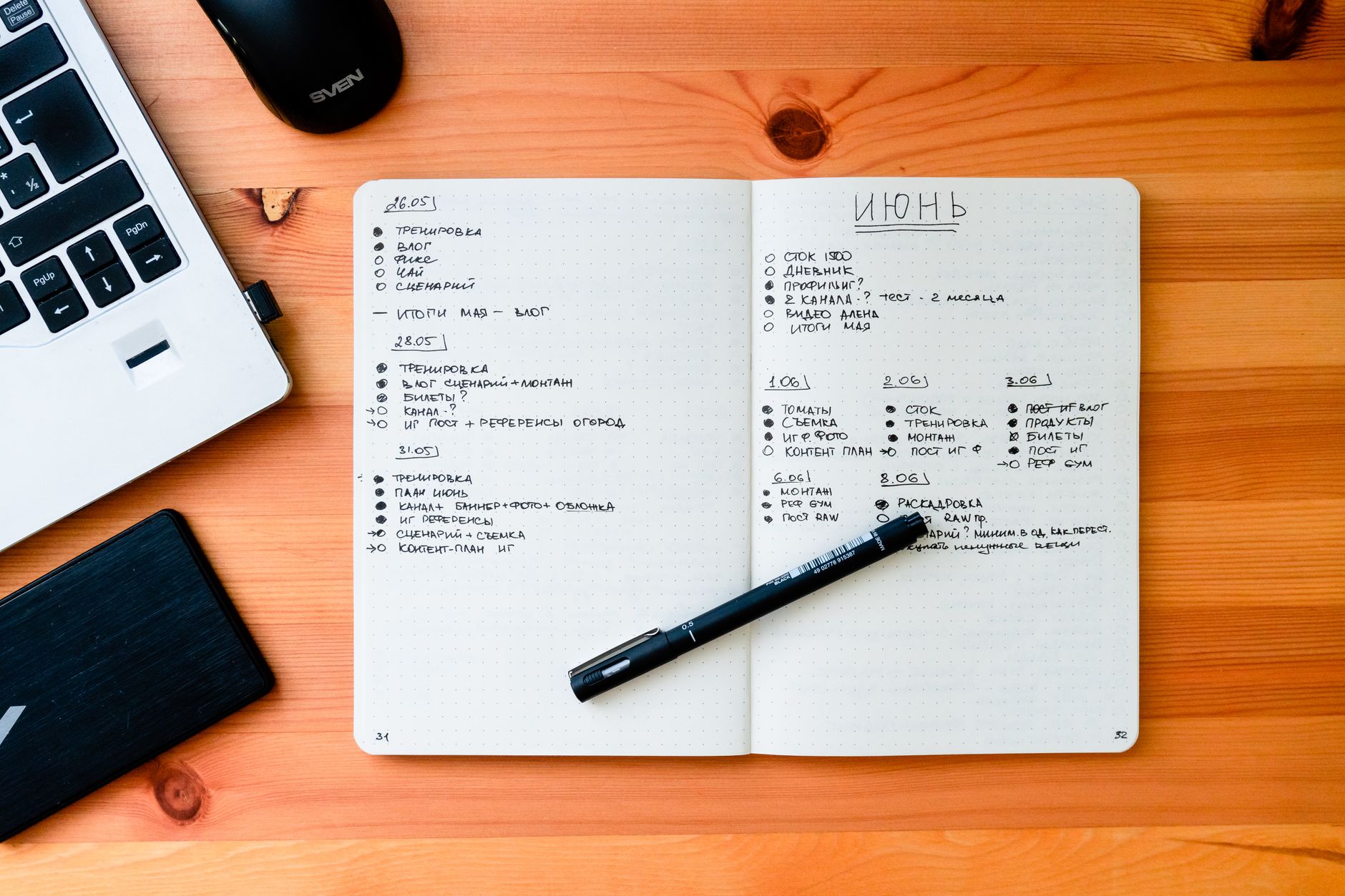
You don’t need complex apps to implement this method. A notebook, whiteboard, or even a sticky note can work. However, if you manage multiple projects, a digital tool can help you visualize tasks and avoid missing deadlines. For example, Foco lets you organize your work into separate containers (each with its own color) and view only the tasks for one project at a time in Focus mode, making it easier to concentrate on your three daily priorities without distractions. Its List view groups tasks by date, ideal for planning your three daily goals, and voice capture helps you log tasks quickly when you’re on the go.
The key is to choose a system that adapts to you, not the other way around. The three-task rule for productivity works because it simplifies, not because it adds more tools to your life.
Conclusion: Less Is More
In a world that glorifies multitasking, the three-task rule is a reminder that focus is the true measure of productivity. It’s not about doing less; it’s about doing the right things at the right time. Try this method for a week: pick three key tasks each day, protect them from interruptions, and watch how you make progress on your projects without feeling overwhelmed. You’ll see that, in the end, three well-chosen tasks are worth more than twenty half-finished ones.
Try Foco
Every task from every job in one place. Free to start.