How to Apply the Two-Minute Rule for Multiple Jobs and Prevent Small Tasks from Sabotaging Your Productivity
Learn how to apply the two-minute rule for multiple jobs, eliminate accumulating small tasks, and regain control without wasting time on decisions.
The two-minute rule is one of those methods that sounds too simple to be effective. Yet its power lies precisely in that simplicity: if a task takes less than two minutes, do it now. Don’t postpone it, don’t write it down, don’t delegate it. Act. The problem arises when you manage multiple jobs at once—freelance work, personal projects, work responsibilities—and those small tasks multiply like gremlins after midnight. A quick email to reply to, a file to rename, a brief call to confirm... In isolation, they seem harmless. Accumulated, they become an invisible burden that steals time, energy, and focus. The key isn’t to work harder, but to decide better in the moment.

Why the Two-Minute Rule Works (and Why It Fails with Multiple Jobs)
David Allen, creator of Getting Things Done (GTD), popularized this rule as part of his organizational system. The logic is flawless: the time you waste deciding what to do with a small task—writing it down, postponing it, prioritizing it—is often longer than the time it takes to complete it. But when managing multiple jobs, the method clashes with two real obstacles:
- Scattered context: A two-minute task for Project A can interrupt your flow in Project B. If you’re in the middle of deep work, stopping to answer a quick message can cost you up to 23 minutes to regain focus (though this data is debated, experience confirms it: interruptions fragment your day).
- Mental overload: With multiple responsibilities, the brain tends to postpone small tasks to avoid context switching. The result is an endless list of micro-tasks that generate passive anxiety: you know they’re there, but you don’t see them as urgent... until they become urgent.
- Lack of visibility: When small tasks mix across projects, it’s easy to lose sight of which ones are truly two-minute tasks and which require more attention. A “review contract” might sound quick, but if it involves reading three pages, it no longer fits the rule.
The Mistake Everyone Makes (and How to Fix It)
The most common mistake when applying the two-minute rule for multiple jobs is not setting clear boundaries. Two minutes isn’t a literal time, but a decision threshold: if the task can be completed in the time it would take to write it down or postpone it, do it. But with multiple projects, that threshold needs adjustment. For example:
- Tasks under 1 minute: Do them instantly, no exceptions. Examples: deleting an email, archiving a document, sending a confirmation message, turning off a phone alarm.
- Tasks from 1 to 2 minutes: Evaluate the context. If you’re in the flow of that project, do it. If you’re in another, write it down for later. Examples: replying to a comment in a shared document, updating a field in a spreadsheet, uploading a photo to a drive.
- Tasks that seem like 2 minutes but aren’t: Identify them and separate them. Examples: “review the budget” (could take 20 minutes), “call client X” (requires preparation), “organize the downloads folder” (depends on the mess).
The two-minute rule isn’t a license to do everything now, but a tool to decide what deserves your immediate attention and what can wait.
How to Adapt the Rule to Multiple Jobs Without Losing Control
1. Create a «Two-Minute Buffer» in Your Routine
Instead of applying the rule reactively—doing small tasks as they come up—reserve specific time blocks for them. For example:

- At the start of each work session: Spend the first 5-10 minutes clearing your “two-minute queue.” Review notifications, quick emails, and pending tasks for that project. This prevents them from piling up.
- Between transitions: Use the 2-3 minutes between meetings or when switching projects to close micro-tasks. For example, if you finish a call and have 5 minutes before the next one, check your “under 1 minute” list for that job.
- At the end of the day: Before closing, spend 5 minutes on small tasks from all your projects. This lets you start the next day with a clear mind.
2. Use the «Two-Minute Test» with Clear Criteria
Not all small tasks are equal. To avoid falling into the trap of “this seems quick,” apply these filters before deciding:
- Does it require a context switch? If you’re on Project A and the task is for Project B, write it down. Switching contexts breaks your flow.
- Does it have dependencies? If you need something from someone else (a file, an approval), it’s not a two-minute task. Write it down and move on.
- Is it really urgent? A small but critical task (e.g., “confirm attendance at a meeting in 10 minutes”) takes priority. The rest can wait.
- Can you delegate it? If someone else can do it in under two minutes, assign it to them. It’s not your responsibility.
3. Visualize Your Micro-Tasks by Project
When managing multiple jobs, visibility is key. If all your small tasks mix into one list, it’s easy to lose control. Instead:
- Group by project: Use a system that lets you see, at a glance, the small tasks for each job. For example, a “under 2 minutes” list for each client or personal project.
- Use colors or labels: Assign a color to each project and mark small tasks with a label like “2min” or “quick.” That way, when you review your list, you can quickly identify what you can do in that moment.
- Prioritize by energy: If you have low energy, do the small tasks for the most important projects first. If you’re in a productivity peak, use those minutes to advance what requires more focus.
Real Examples: How to Apply the Rule in Everyday Situations
Case 1: Freelancer with Three Clients and a Personal Project
Situation: You’re working on a report for Client A when you receive an email from Client B asking for a minor change in a design. At the same time, you remember you need to upload a file to your personal project before the deadline.

- Task 1: Change in Client B’s design (1 minute). Action: Do it now. It doesn’t require a context switch and is quick.
- Task 2: Upload file to personal project (3 minutes). Action: Write it down in the “under 5 minutes” list for that project and do it in the next free time block.
- Task 3: Check notification from Client C (2 minutes). Action: If it’s something you can resolve now, do it. If not, write it down for later.
Case 2: Employee with Work Responsibilities and Home Management
Situation: You’re in a work meeting when you remember you need to pay a bill before it’s due, confirm attendance at a family event, and reply to your boss about a document.
- Task 1: Pay bill (2 minutes). Action: If you have your phone handy and the banking app open, do it now. If not, write it down for after the meeting.
- Task 2: Confirm attendance at family event (1 minute). Action: Send a quick message or mark the option in the email. Do it now.
- Task 3: Reply to boss’s message (3 minutes). Action: If it requires reviewing the document, write it down for later. If it’s a “yes” or “no,” reply now.
Tools to Implement the Rule (Without Overcomplicating Your Life)
You don’t need complex apps to apply the two-minute rule for multiple jobs, but some tools can help you stay organized without effort:

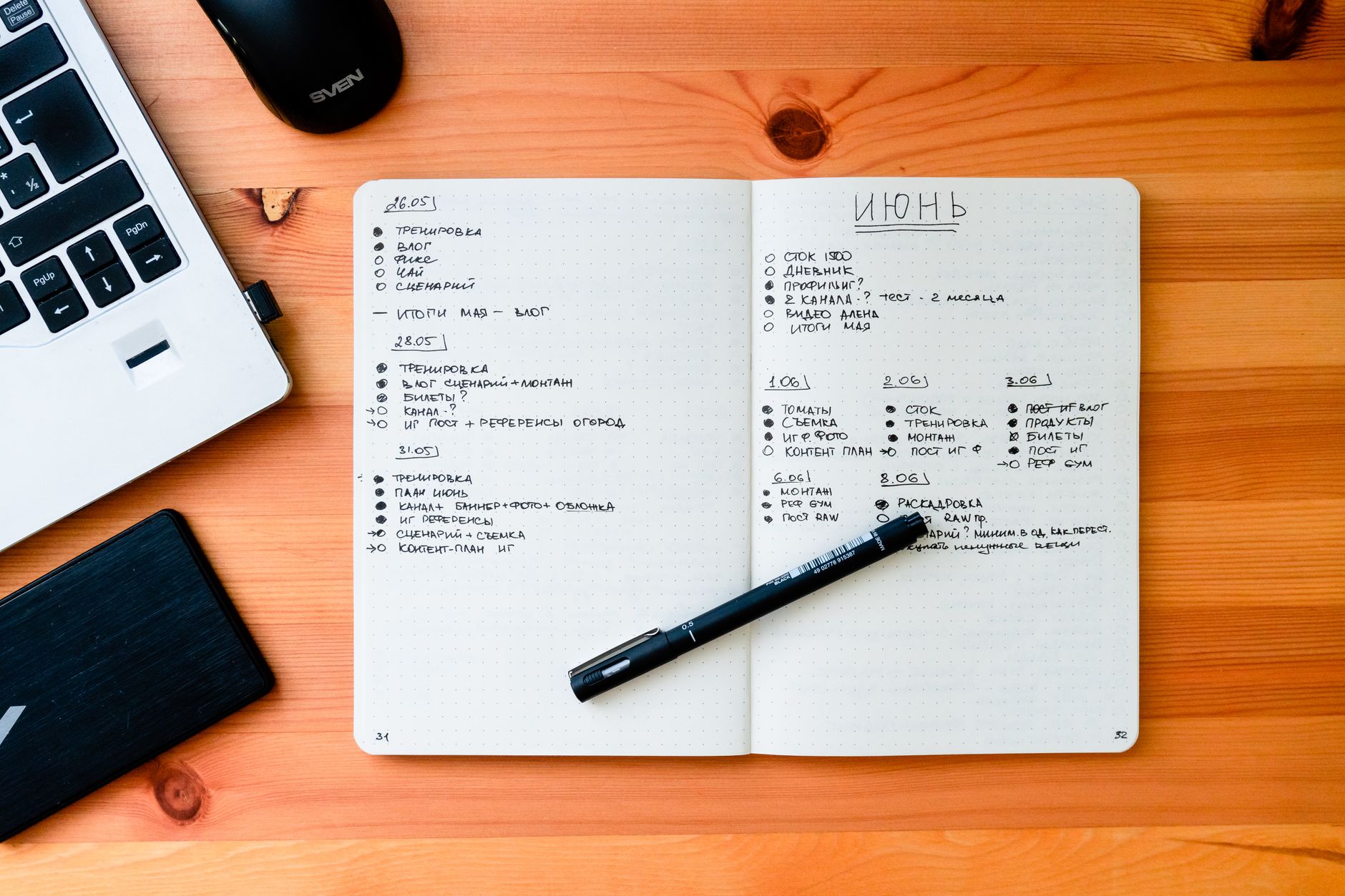
- Physical lists: A notebook or whiteboard divided by projects, with a section for “under 2 minutes.” Ideal if you work in one place.
- Task apps with labels: Use labels like “2min” or “quick” to filter small tasks. Examples: Todoist, Microsoft To Do, or Google Tasks.
- Voice reminders: If you’re on the go, use voice commands to jot down quick tasks and review them later. Example: “Hey Siri, add to Client A’s list: send email to X.”
- Color-coded systems: Assign a color to each project and use sticky notes or color-coded apps to quickly identify small tasks.
How to Avoid Turning the Rule into a Trap
The two-minute rule is a tool, not an obligation. Using it incorrectly can lead to:
- Fragmenting your day: If you stop every two minutes to do a small task, you’ll never enter a flow state. Solution: group micro-tasks into time blocks.
- Prioritizing urgent over important: Small tasks are often urgent, but not always important. Solution: Before acting, ask yourself if that task contributes to your long-term goals.
- Ignoring big tasks: If you only do small things, the big ones never progress. Solution: Reserve time blocks for deep work and use the rule only for what’s truly worth it.
Applying the Two-Minute Rule for Multiple Jobs with Foco
When managing multiple jobs, the temptation to postpone small tasks is greater: each project has its own micro-tasks, and mixing them into one list can be overwhelming. One way to apply the two-minute rule without losing control is to use a system that lets you see, at a glance, which small tasks belong to each project. For example, with Foco, you can create a work for each client or responsibility (with a distinct color) and add quick tasks with a label like “2min.” That way, when you check Panorama mode, you’ll see all your micro-tasks grouped by project, each with its color. If you need to focus on one job, Focus mode filters the board to show only that project’s tasks, avoiding distractions. Plus, voice capture lets you dictate quick tasks on the go—like “send email to client X, 2 minutes”—and the app transcribes them automatically, saving you the time of writing them down. If a recurring task fits the rule (like reviewing a weekly report), you can set it to repeat so you don’t have to remember it. What matters isn’t the tool, but that the system helps you decide in the moment: do I do this now, or write it down for later?
Try Foco
Every task from every job in one place. Free to start.